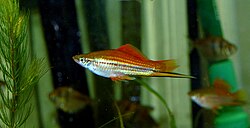
Not eating in Green Swordtails can indicate various health issues, stress, or behavioral changes. This is a behavioral issue that requires immediate attention, as it can lead to malnutrition and weakened immune systems. Owners should first rule out basic causes before seeking professional help.
Green Swordtail Not Eating: Common Causes
Poor Water Quality
Most LikelyAmmonia or nitrite levels can stress the fish and lead to appetite loss.
Dietary Issues
Most LikelyOverfeeding or an unbalanced diet can cause digestive issues and loss of appetite.
Stress
PossibleNew tankmates, changes in environment, or overhandling can cause stress and loss of appetite.
Health Problems
PossibleParasites, infections, or internal disorders can suppress appetite.
Reproductive Cycle
Less CommonFemale Swordtails may lose interest in food during spawning cycles.
How to Diagnose the Cause
Follow these steps in order. Stop when you identify a likely cause and move to treatment.
- Check water parameters using a test kit for ammonia, nitrite, and nitrate.
Ensure the tank's water quality is within the optimal range for Green Swordtails.
Recommended: Water test kit - Inspect the fish for signs of disease, such as spots, ulcers, or fin rot.
Look for external signs of health issues that might affect appetite.
- Observe the fish's behavior and interaction with tankmates.
Check for signs of stress or aggression that might contribute to not eating.
- Review the fish's diet and feeding schedule.
Ensure the diet is varied and meets the nutritional needs of the fish.
- Assess the tank's environment for any recent changes or disturbances.
Changes can cause stress and impact eating habits.
How to Treat Green Swordtail Not Eating
- Improve water quality by changing water regularly and addressing any ammonia or nitrite spikes.
- Adjust the diet to include high-quality flakes or pellets, and fresh vegetables like spinach or romaine lettuce.
- Remove any tankmates causing stress or aggression, and ensure the tank is spacious and well-decorated.
- Consult a vet if there are signs of disease or if the fish shows no improvement after these steps.
- Consider the reproductive cycle, and provide a quiet area for females if they are showing signs of spawning.
How to Prevent Green Swordtail Not Eating
When to See a Vet
🔬 AI Symptom Checker
Not sure what's wrong? Describe your fish's symptoms to the FishCare AI and get an instant diagnosis.
Check Symptoms →Frequently Asked Questions
This guide was reviewed for biological accuracy and practical aquarium care guidance. Always test water parameters before treating a sick fish — poor water quality is the most common root cause. Consult an aquatic veterinarian if symptoms persist after 48 hours of correct treatment.
Sources: Merck Veterinary Manual — Aquarium Fishes · UF/IFAS Extension — Fish Health Management