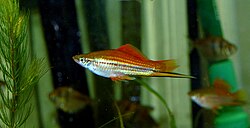
Excess mucus coating in Green Swordtails is a serious condition often indicating an underlying health issue. It can be caused by stress, infections, or poor water quality. Immediate action is crucial to prevent further complications. Owners should be aware of the signs and the importance of maintaining a stable environment.
Green Swordtail Mucus Coating: Common Causes
Poor Water Quality
Most LikelyHigh levels of ammonia, nitrite, or nitrate can stress the fish and lead to mucus production.
Infections
Most LikelyBacterial or parasitic infections can cause excess mucus as the fish's immune system responds to the invaders.
Stress
PossibleChanges in water parameters, overcrowding, or aggression can stress the fish and trigger mucus production.
Dietary Issues
PossibleAn unbalanced diet or lack of vitamins and minerals can weaken the fish's immune system, making it more susceptible to infections.
Genetic Factors
Less CommonSome individuals may be more prone to mucus production due to genetic predispositions.
How to Diagnose the Cause
Follow these steps in order. Stop when you identify a likely cause and move to treatment.
- Observe the fish's behavior and appearance for other signs of illness, such as loss of appetite, clamped fins, or bloating.
This helps identify if the mucus is a response to an infection or stress.
- Check the water parameters using a test kit, focusing on ammonia, nitrite, nitrate, pH, and temperature.
Imbalances can stress the fish and contribute to mucus production.
Recommended: Water test kit - Inspect the fish for any visible signs of infection, such as red spots, ulcers, or parasites.
This can help determine if the mucus is due to an infection.
- Review the fish's diet and recent changes in the aquarium environment.
Dietary issues or environmental stress can trigger mucus production.
- Consult a veterinary reference or website for specific symptoms related to Green Swordtails.
This can provide additional insights into the condition.
Recommended: Veterinary reference
How to Treat Green Swordtail Mucus Coating
- Improve water quality by performing regular water changes and treating with an ammonia binder if necessary.
- Administer appropriate medication, such as a broad-spectrum antibiotic or anti-parasitic, based on the diagnosis.
- Reduce stress by ensuring adequate space, removing aggressive tank mates, and maintaining stable water parameters.
- Adjust the diet to include high-quality foods rich in vitamins and minerals, and consider adding a multivitamin supplement.
- Monitor the fish's progress and continue treatment until the mucus coating resolves and the fish appears healthy.
How to Prevent Green Swordtail Mucus Coating
When to See a Vet
🔬 AI Symptom Checker
Not sure what's wrong? Describe your fish's symptoms to the FishCare AI and get an instant diagnosis.
Check Symptoms →Frequently Asked Questions
This guide was reviewed for biological accuracy and practical aquarium care guidance. Always test water parameters before treating a sick fish — poor water quality is the most common root cause. Consult an aquatic veterinarian if symptoms persist after 48 hours of correct treatment.
Sources: Merck Veterinary Manual — Aquarium Fishes · UF/IFAS Extension — Fish Health Management