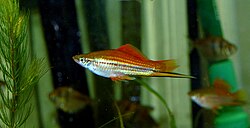
Fin rot in Green Swordtails is a serious bacterial infection that can lead to severe stress and even death if not treated promptly. It often occurs due to poor water quality, injury, or stress. Owners should be aware of the importance of maintaining optimal water parameters and providing a stress-free environment.
Green Swordtail Fin Rot: Common Causes
Poor Water Quality
Most LikelyHigh levels of ammonia or nitrite can weaken the fish's immune system, making them susceptible to fin rot.
Physical Injury
PossibleInjuries from fighting, netting, or other fish can lead to secondary infections.
Stress
PossibleStress from overcrowding, aggressive tankmates, or rapid temperature changes can weaken the fish's immune system.
Poor Diet
Less CommonA diet lacking in essential nutrients can weaken the fish's immune system, making them more prone to infections.
Genetic Factors
Less CommonSome fish may be genetically predisposed to fin rot, although this is less common.
How to Diagnose the Cause
Follow these steps in order. Stop when you identify a likely cause and move to treatment.
- Inspect the fish's fins for signs of rot, such as discolored or ragged edges.
Look for areas where the fin tissue is deteriorating and may appear translucent or have a white, fuzzy growth.
- Check the water parameters for ammonia, nitrite, and nitrate levels.
Use a reliable test kit to measure these parameters and ensure they are within the optimal range for Green Swordtails.
Recommended: Water test kit - Observe the fish's behavior and overall health.
Look for signs of stress or other health issues that may be contributing to the fin rot.
- Assess the tank environment for potential stressors.
Check for overcrowding, aggressive tankmates, or rapid temperature changes that could be causing stress.
- Review the fish's diet and ensure it is balanced and nutritious.
Green Swordtails require a varied diet including high-quality flake food, live or frozen foods, and occasional vegetables.
How to Treat Green Swordtail Fin Rot
- Perform a 25% water change daily to remove harmful substances.
This will help to lower ammonia and nitrite levels and improve water quality.
- Use a broad-spectrum antibacterial medication as directed by a veterinarian.
Follow the dosage instructions carefully to ensure the fish does not suffer from medication toxicity.
- Remove any dead or infected tissue with a clean, sharp tool.
Be gentle to avoid causing further injury or stress to the fish.
- Add a bacterial treatment to the tank to help restore the beneficial bacteria in the water.
This will help to maintain a healthy water environment.
- Ensure the fish is in a stress-free environment and provide hiding spots if necessary.
This will help the fish to recover more quickly and reduce the risk of recurrence.
How to Prevent Green Swordtail Fin Rot
When to See a Vet
🔬 AI Symptom Checker
Not sure what's wrong? Describe your fish's symptoms to the FishCare AI and get an instant diagnosis.
Check Symptoms →Frequently Asked Questions
This guide was reviewed for biological accuracy and practical aquarium care guidance. Always test water parameters before treating a sick fish — poor water quality is the most common root cause. Consult an aquatic veterinarian if symptoms persist after 48 hours of correct treatment.
Sources: Merck Veterinary Manual — Aquarium Fishes · UF/IFAS Extension — Fish Health Management