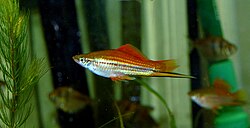
A bloated or swollen Green Swordtail is a critical issue that requires immediate attention, as it can be life-threatening. It is often a sign of internal parasites, infections, or malnutrition, and it is essential to understand the urgency and potential causes to take prompt action.
Green Swordtail Bloated or Swollen: Common Causes
Internal Parasites
Most LikelyThese parasites can cause bloating by affecting the digestive system.
Infections
Most LikelyBacterial or fungal infections can lead to inflammation and swelling of the abdomen.
Malnutrition
PossibleLack of proper nutrition or overeating can cause the abdomen to swell.
Blockage
PossibleIngestion of non-food items or an obstruction in the digestive tract can result in bloating.
Liver Disease
Less CommonLiver disease can cause bloating as a result of fluid accumulation in the abdominal cavity.
How to Diagnose the Cause
Follow these steps in order. Stop when you identify a likely cause and move to treatment.
- Inspect the fish for other signs of illness, such as clamped fins, loss of appetite, or unusual swimming patterns.
These symptoms can provide additional clues to the cause of bloating.
- Check the water quality for ammonia, nitrite, and nitrate levels using a test kit.
Poor water quality can lead to stress and weaken the fish, contributing to health issues like bloating.
Recommended: Water test kit - Perform a fecal examination to detect the presence of parasites.
This will help identify internal parasites as a cause of bloating.
Recommended: Fecal floatation kit - Assess the diet and feeding habits of the fish to check for malnutrition or overfeeding.
Improper diet can lead to bloating, and adjustments may be necessary.
- Consult with a veterinarian experienced in fish health for a comprehensive diagnosis.
A vet can perform additional tests, such as blood work or an ultrasound, to identify underlying health issues.
How to Treat Green Swordtail Bloated or Swollen
- Treat any identified parasites with appropriate medications as prescribed by a vet.
- If an infection is present, administer antibiotics or antifungals as directed by a veterinarian.
- Adjust the diet to ensure proper nutrition and prevent overfeeding. Remove any uneaten food from the tank within 15 minutes of feeding.
- Improve water quality by performing regular water changes (25-30% every 2-3 weeks) and maintaining a clean tank environment.
- If a blockage is suspected, it may require veterinary intervention for removal. Do not attempt to remove blockages yourself to avoid causing harm to the fish.
How to Prevent Green Swordtail Bloated or Swollen
When to See a Vet
🔬 AI Symptom Checker
Not sure what's wrong? Describe your fish's symptoms to the FishCare AI and get an instant diagnosis.
Check Symptoms →Frequently Asked Questions
This guide was reviewed for biological accuracy and practical aquarium care guidance. Always test water parameters before treating a sick fish — poor water quality is the most common root cause. Consult an aquatic veterinarian if symptoms persist after 48 hours of correct treatment.
Sources: Merck Veterinary Manual — Aquarium Fishes · UF/IFAS Extension — Fish Health Management