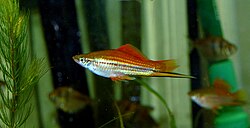
Suddenly aggressive behavior in Green Swordtails often stems from stress or territorial disputes. This issue can escalate to serious fights, so it's crucial for owners to address it promptly. Understanding the triggers and taking immediate action can prevent injury and maintain a harmonious tank environment.
Green Swordtail Aggressive: Common Causes
Male Territory Disputes
Most LikelyMales can become more aggressive during breeding seasons or when establishing territory.
Stress from New Tankmates
Most LikelyAdding new fish can disrupt the social hierarchy, leading to aggression.
Dietary Imbalances
PossibleA poor diet can cause stress and aggression, as fish may compete for food.
Poor Water Quality
PossibleAmmonia and nitrite levels can rise, causing stress and aggression.
Illness or Injury
Less CommonUnderlying health issues can make fish more prone to aggression.
How to Diagnose the Cause
Follow these steps in order. Stop when you identify a likely cause and move to treatment.
- Observe the fish's behavior and tank conditions for several days.
Note any changes in behavior, tank mates, or environmental factors.
- Check water parameters for ammonia, nitrite, nitrate, pH, and temperature.
Ensure the water quality meets the optimal range for Green Swordtails.
Recommended: test kit - Inspect the fish for signs of injury or illness, such as ulcers or abnormal swimming patterns.
Look for any physical issues that might contribute to aggression.
- Evaluate the diet and ensure it's balanced with high-quality food and varied feedings.
Check for overfeeding or a lack of variety in the diet.
- Consider the tank setup, including decorations and tank mates, for potential stressors.
Ensure there are enough hiding spots and territories for all fish.
How to Treat Green Swordtail Aggressive
- Improve water quality by regular water changes and proper filtration.
Maintain optimal pH and temperature levels.
- Adjust the diet to ensure it is balanced and meets the nutritional needs of Green Swordtails.
Include a variety of foods and consider supplements if necessary.
- Remove any aggressive tank mates or rearrange the tank to reduce stress.
Provide more hiding spots and territories if needed.
- Monitor the fish for signs of stress or aggression, and intervene as needed.
Use a net to separate aggressive fish temporarily if necessary.
- Consult a veterinarian for a professional opinion if the aggression persists or is accompanied by illness signs.
They can provide specific guidance and treatment options.
How to Prevent Green Swordtail Aggressive
When to See a Vet
🔬 AI Symptom Checker
Not sure what's wrong? Describe your fish's symptoms to the FishCare AI and get an instant diagnosis.
Check Symptoms →Frequently Asked Questions
This guide was reviewed for biological accuracy and practical aquarium care guidance. Always test water parameters before treating a sick fish — poor water quality is the most common root cause. Consult an aquatic veterinarian if symptoms persist after 48 hours of correct treatment.
Sources: Merck Veterinary Manual — Aquarium Fishes · UF/IFAS Extension — Fish Health Management