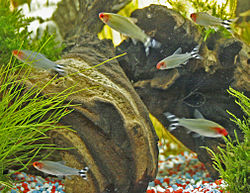
White spots on Rummy Nose Tetras, a common symptom of Ichthyophthirius multifiliis, can be devastating. This disease is highly contagious and urgent treatment is necessary. Understanding the specific care needs of these sensitive fish is crucial to prevent and manage such outbreaks.
Rummy Nose Tetra White Spots (Ich): Common Causes
Poor Water Quality
Most LikelyAmmonia and nitrite levels can stress the fish, making them more susceptible to Ich.
Stress
PossibleSudden changes in water parameters or overcrowding can stress the fish, lowering their immune system.
New Tank Syndrome
PossibleNew tanks often have imbalanced water chemistry, which can lead to Ich outbreaks.
How to Diagnose the Cause
Follow these steps in order. Stop when you identify a likely cause and move to treatment.
- Observe the fish for signs of Ich, such as white spots and loss of color.
Look for small, white, salt-grain-like spots on the body and fins.
- Check the tank water parameters for ammonia, nitrite, and nitrate levels.
Use a test kit to ensure they are within the appropriate range for Rummy Nose Tetras.
Recommended: Water test kit - Consider the fish's environment and recent changes.
Look for any recent stressors such as water changes, new tankmates, or overcrowding.
How to Treat Rummy Nose Tetra White Spots (Ich)
- Perform a partial water change (20-30%) and use an ichthyophthirius treatment.
Follow the manufacturer's instructions for dosage and frequency.
- Increase the water temperature gradually to 28-30°C to speed up the treatment.
This can help to kill the parasites more quickly.
- Maintain the treatment for at least 5-7 days to ensure all parasites are killed.
Do not stop treatment prematurely as it can lead to recurrence.
How to Prevent Rummy Nose Tetra White Spots (Ich)
When to See a Vet
🔬 AI Symptom Checker
Not sure what's wrong? Describe your fish's symptoms to the FishCare AI and get an instant diagnosis.
Check Symptoms →Frequently Asked Questions
This guide was reviewed for biological accuracy and practical aquarium care guidance. Always test water parameters before treating a sick fish — poor water quality is the most common root cause. Consult an aquatic veterinarian if symptoms persist after 48 hours of correct treatment.
Sources: Merck Veterinary Manual — Aquarium Fishes · UF/IFAS Extension — Fish Health Management