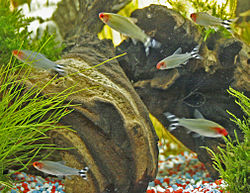
Floating at the surface in Rummy Nose Tetras is a critical sign indicating a severe health issue. It's often a symptom of internal infections or poor water quality, which can be life-threatening. Owners should act quickly to identify and address the underlying cause.
Rummy Nose Tetra Floating at Surface: Common Causes
Internal Infection
Most LikelyBacterial or parasitic infections can cause internal damage, leading to the fish's inability to dive.
Poor Water Quality
Most LikelyHigh ammonia or nitrite levels can stress the fish and make it difficult to maintain buoyancy.
Metabolic Disorders
PossibleConditions like dropsy or swim bladder issues can impair the fish's ability to swim properly.
Stress
PossibleStress from tank mates, overcrowding, or sudden changes in water parameters can cause temporary surface floating.
Disease
Less CommonExternal parasites like ich or velvet can affect the fish's ability to swim and breathe normally.
How to Diagnose the Cause
Follow these steps in order. Stop when you identify a likely cause and move to treatment.
- Observe the fish's behavior and appearance for any other signs of illness.
Look for signs like clamped fins, loss of appetite, or spots on the body.
- Check the water parameters using a test kit for ammonia, nitrite, and nitrate levels.
Ensure the water quality is within the optimal range for Rummy Nose Tetras.
Recommended: Water test kit - Inspect the tank for any signs of disease, such as spots on the fish or unusual behavior of tank mates.
This can help identify if the issue is due to a specific disease or parasite.
- Consider the fish's diet and recent changes in the tank environment.
Nutritional deficiencies or dietary imbalances can contribute to health issues.
- Consult with a veterinarian who specializes in fish health for a definitive diagnosis.
They may perform additional tests or offer specific treatment options.
How to Treat Rummy Nose Tetra Floating at Surface
- Improve water quality by performing frequent water changes and using water conditioner to neutralize harmful chemicals.
This can help alleviate stress and reduce the risk of infection.
- Administer appropriate medication as directed by a veterinarian, such as antibiotics or antiparasitic treatments.
Follow the dosage and treatment duration strictly.
- Ensure the fish is in a stress-free environment with proper tank mates and adequate space.
This can help prevent further stress and support recovery.
- Adjust the diet to include high-quality, balanced food that meets the nutritional needs of Rummy Nose Tetras.
This can support overall health and immune function.
- Monitor the fish closely for any signs of improvement or worsening of symptoms.
This will help determine the effectiveness of the treatment and when to seek further veterinary advice.
How to Prevent Rummy Nose Tetra Floating at Surface
When to See a Vet
🔬 AI Symptom Checker
Not sure what's wrong? Describe your fish's symptoms to the FishCare AI and get an instant diagnosis.
Check Symptoms →Frequently Asked Questions
This guide was reviewed for biological accuracy and practical aquarium care guidance. Always test water parameters before treating a sick fish — poor water quality is the most common root cause. Consult an aquatic veterinarian if symptoms persist after 48 hours of correct treatment.
Sources: Merck Veterinary Manual — Aquarium Fishes · UF/IFAS Extension — Fish Health Management