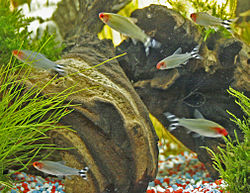
Sudden aggression in Rummy Nose Tetras often stems from stress or overcrowding, impacting their delicate balance. It's important to understand this can escalate quickly, so prompt action is crucial. Monitor tank conditions closely to identify triggers.
Rummy Nose Tetra Aggressive: Common Causes
Stress
Most LikelyHigh stress levels can lead to aggression, often due to changes in water parameters or overcrowding.
Overcrowding
Most LikelyLimited space can trigger aggressive behavior as tetras compete for resources.
Poor Diet
PossibleA diet lacking in essential nutrients can lead to increased aggression.
New Tank Syndrome
PossibleAggressive behavior may arise due to the initial settling-in period in a new tank.
Health Issues
Less CommonUnderlying health conditions can cause changes in behavior, including aggression.
How to Diagnose the Cause
Follow these steps in order. Stop when you identify a likely cause and move to treatment.
- Observe tank conditions
Check water quality, tank cleanliness, and the behavior of all fish.
Recommended: test kit - Review recent changes
Identify any recent changes in the tank setup, diet, or environment.
- Monitor for health issues
Look for signs of disease or injury that may be contributing to aggression.
Recommended: magnifying glass - Evaluate social dynamics
Assess the interactions between the aggressive tetra and other tank mates.
- Record observations
Keep a detailed log of the tetra's behavior and tank conditions.
How to Treat Rummy Nose Tetra Aggressive
- Stabilize water parameters
Ensure the tank water is within the ideal range for Rummy Nose Tetras (pH 5.5–6.5, temperature 24–26°C).
- Reduce stress
Remove any potential stressors, such as overcrowding or bright lighting.
- Improve diet
Provide a balanced diet with a variety of foods to ensure adequate nutrition.
- Rehome aggressive fish
In severe cases, consider rehoming the aggressive tetra to prevent harm to others.
- Consult with a vet
If aggression persists or is accompanied by other symptoms, seek veterinary advice.
How to Prevent Rummy Nose Tetra Aggressive
When to See a Vet
🔬 AI Symptom Checker
Not sure what's wrong? Describe your fish's symptoms to the FishCare AI and get an instant diagnosis.
Check Symptoms →Frequently Asked Questions
This guide was reviewed for biological accuracy and practical aquarium care guidance. Always test water parameters before treating a sick fish — poor water quality is the most common root cause. Consult an aquatic veterinarian if symptoms persist after 48 hours of correct treatment.
Sources: Merck Veterinary Manual — Aquarium Fishes · UF/IFAS Extension — Fish Health Management