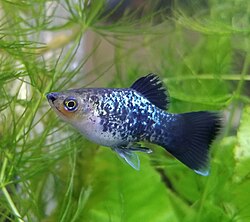
Not eating in Platy can be indicative of stress, illness, or poor water conditions. It is important to address this promptly as it may lead to more serious health issues. Owners should first ensure the fish's environment is ideal for its species, including temperature, pH, and tank mates.
Platy Not Eating: Common Causes
Poor Water Quality
Most LikelyAmmonia, nitrite, or nitrate levels that are too high can stress the fish and prevent it from eating.
Stress
Most LikelyChanges in the environment, such as a new tank mate or a sudden temperature change, can cause stress and lead to a loss of appetite.
Illness
PossibleInternal parasites, bacterial infections, or other diseases can cause Platy to stop eating.
Dietary Issues
PossibleFeeding the wrong type of food or overfeeding can lead to a loss of appetite.
Age or Size
Less CommonOlder or larger fish may naturally eat less, or may be less interested in food due to age-related changes.
How to Diagnose the Cause
Follow these steps in order. Stop when you identify a likely cause and move to treatment.
- Check the water parameters using a test kit.
Ensure ammonia, nitrite, and nitrate levels are within the optimal range for Platy.
Recommended: Water test kit - Observe the fish's behavior and appearance for signs of illness.
Look for any abnormalities such as bloating, spots, or changes in coloration.
- Inspect the tank for potential stressors such as aggressive tank mates or sudden changes in the environment.
Ensure the tank conditions are stable and suitable for the fish's needs.
- Review the feeding routine and the type of food provided.
Confirm that the diet is appropriate for the fish's age and size.
- Consult a veterinarian specializing in fish health for further diagnosis if necessary.
A vet can perform more advanced tests if the cause is not immediately apparent.
How to Treat Platy Not Eating
- Improve water quality by performing water changes and using water conditioners to remove harmful substances.
Change 20-30% of the water weekly to maintain optimal conditions.
- Remove any stressors from the tank and ensure tank mates are compatible with the Platy.
Provide a peaceful environment with adequate swimming space and cover.
- Adjust the feeding routine to ensure the fish is receiving a balanced diet.
Feed small, frequent meals of high-quality, varied livebearer flakes or pellets.
- If an illness is suspected, treat the fish with appropriate medication as directed by a veterinarian.
Follow the vet's instructions carefully to avoid harming the fish or worsening the condition.
- Monitor the fish's response to the changes and continue to provide support and care.
Keep a close eye on the fish's health and adjust the treatment plan as needed.
How to Prevent Platy Not Eating
When to See a Vet
🔬 AI Symptom Checker
Not sure what's wrong? Describe your fish's symptoms to the FishCare AI and get an instant diagnosis.
Check Symptoms →Frequently Asked Questions
This guide was reviewed for biological accuracy and practical aquarium care guidance. Always test water parameters before treating a sick fish — poor water quality is the most common root cause. Consult an aquatic veterinarian if symptoms persist after 48 hours of correct treatment.
Sources: Merck Veterinary Manual — Aquarium Fishes · UF/IFAS Extension — Fish Health Management