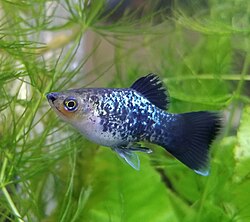
Missing scales in Platy can be caused by various factors, including poor water quality, infections, and nutritional deficiencies. It is a moderate concern that requires monitoring, as it can lead to secondary infections. As a beginner-friendly fish, understanding the underlying causes and appropriate care is crucial for the well-being of these peaceful community fish.
Platy Missing Scales: Common Causes
Poor Water Quality
Most LikelyAmmonia, nitrite, and nitrate levels can stress the fish, leading to scale loss.
Infections
Most LikelyBacterial or parasitic infections can cause scales to fall off, often accompanied by other symptoms.
Nutritional Deficiencies
PossibleLack of essential nutrients can weaken the scales, making them more prone to fall off.
Physical Trauma
PossibleHandling or aggression from tankmates can cause scales to be knocked off.
Genetic Factors
Less CommonIn some cases, genetic predispositions can lead to scale loss without other obvious causes.
How to Diagnose the Cause
Follow these steps in order. Stop when you identify a likely cause and move to treatment.
- Inspect the affected fish for signs of infection, such as redness or ulcers.
Look for any signs of secondary infections or other health issues.
Recommended: magnifying glass - Check the water parameters for ammonia, nitrite, and nitrate levels.
Use a water test kit to measure these parameters.
Recommended: water test kit - Evaluate the fish's diet to ensure it is receiving a balanced and varied diet.
Assess the quality and diversity of the food being offered.
- Observe the fish's behavior and interactions with tankmates to rule out aggression or trauma.
Monitor the fish's activity levels and social dynamics.
- Consult with a vet or experienced aquarist for a definitive diagnosis and guidance.
Seek professional advice if the cause remains unclear.
How to Treat Platy Missing Scales
- Improve water quality by performing regular water changes and maintaining appropriate temperature and pH levels for Platy.
Water changes should be done at least twice a week, removing 25-30% of the water.
- Administer appropriate medications for bacterial or parasitic infections, following the vet's or manufacturer's instructions.
Use treatments specifically designed for scale loss and follow the dosage recommendations.
- Adjust the diet to include a balanced mix of quality flakes, pellets, and live or frozen foods, ensuring essential nutrients are provided.
Supplement with vitamin and mineral supplements if necessary.
- Ensure the fish has a stress-free environment by reducing aggression and providing adequate hiding spots.
Monitor tankmates for aggression and consider rehoming aggressive individuals.
- Regularly monitor the fish's progress and adjust treatment as needed, consulting with a vet if the condition worsens.
Patience and consistent care are key to successful recovery.
How to Prevent Platy Missing Scales
When to See a Vet
🔬 AI Symptom Checker
Not sure what's wrong? Describe your fish's symptoms to the FishCare AI and get an instant diagnosis.
Check Symptoms →Frequently Asked Questions
This guide was reviewed for biological accuracy and practical aquarium care guidance. Always test water parameters before treating a sick fish — poor water quality is the most common root cause. Consult an aquatic veterinarian if symptoms persist after 48 hours of correct treatment.
Sources: Merck Veterinary Manual — Aquarium Fishes · UF/IFAS Extension — Fish Health Management