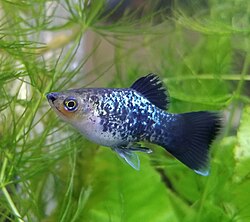
Platy often jump out of the tank due to stress, poor water quality, or a lack of environmental enrichment, which can be an emergency as it indicates significant distress. It's crucial to address this promptly as it can lead to injury or death. Owners should first check the tank's environment and水质.
Platy Jumping Out of Tank: Common Causes
Stressful Environment
Most LikelyAn overcrowded tank, aggressive tankmates, or lack of hiding spots can stress the fish.
Poor Water Quality
Most LikelyHigh ammonia or nitrite levels can cause severe stress and lead to jumping.
Lack of Space
PossibleInsufficient space in the tank can trigger jumping as the fish searches for more room.
Dietary Issues
PossibleA lack of variety or overfeeding can lead to bloating, causing discomfort and jumping.
Water Temperature Fluctuations
Less CommonSudden temperature changes can cause stress and jumping out of the tank.
How to Diagnose the Cause
Follow these steps in order. Stop when you identify a likely cause and move to treatment.
- Observe the tank and fish behavior closely.
Note if there are any signs of aggression, disease, or changes in water quality.
- Check the water parameters using a test kit.
Measure ammonia, nitrite, nitrate, pH, and temperature levels.
Recommended: Water test kit - Inspect the tank for overcrowding or inadequate hiding spots.
Ensure there are enough territories and hiding places for the fish.
- Assess the diet and feeding routine.
Ensure a balanced and varied diet with proper feeding times.
- Check for any signs of physical injury or disease.
Look for any sores, spots, or irregularities on the fish's body.
How to Treat Platy Jumping Out of Tank
- Improve water quality by increasing water changes and treating ammonia and nitrite spikes.
Perform partial water changes (20-30%) daily until water quality is stable.
- Provide additional hiding spots or rearrange the tank to reduce stress.
Add plants, rocks, or artificial structures for the fish to hide in.
- Adjust the diet to ensure proper nutrition and avoid overfeeding.
Feeding small, frequent meals and removing any uneaten food after 5 minutes.
- Monitor water temperature and maintain a stable environment.
Keep the tank temperature within the ideal range of 18.0–28.0°C and avoid sudden changes.
- If aggression is present, consider removing the aggressive tankmate(s).
Ensure that all fish are compatible and provide adequate space for each individual.
How to Prevent Platy Jumping Out of Tank
When to See a Vet
🔬 AI Symptom Checker
Not sure what's wrong? Describe your fish's symptoms to the FishCare AI and get an instant diagnosis.
Check Symptoms →Frequently Asked Questions
This guide was reviewed for biological accuracy and practical aquarium care guidance. Always test water parameters before treating a sick fish — poor water quality is the most common root cause. Consult an aquatic veterinarian if symptoms persist after 48 hours of correct treatment.
Sources: Merck Veterinary Manual — Aquarium Fishes · UF/IFAS Extension — Fish Health Management