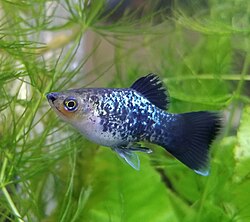
Hiding constantly is a common behavioral issue in Platy, often due to stress from water quality issues, aggression, or poor tank conditions. This behavior is typically not life-threatening but may indicate underlying health concerns. It is crucial for owners to identify the cause promptly and take appropriate action.
Platy Hiding Constantly: Common Causes
Poor Water Quality
Most LikelyAmmonia, nitrite, and nitrate levels should be consistently low. High levels can cause stress and hiding behavior.
Aggression from Tank Mates
Most LikelyPlatyfish are generally peaceful but can be bullied by larger or more aggressive species. Ensure compatibility among tank inhabitants.
Unsuitable Tank Conditions
PossibleInsufficient hiding spots, overcrowding, or inappropriate water temperature and pH can lead to stress and hiding behavior.
Disease or Illness
PossibleSigns of illness, such as discoloration or loss of appetite, may cause a fish to hide. It's important to monitor for these symptoms.
Mating Behavior
Less CommonMale Platyfish may exhibit increased hiding as part of their mating ritual. This is a normal behavior and not typically a cause for concern.
How to Diagnose the Cause
Follow these steps in order. Stop when you identify a likely cause and move to treatment.
- Observe water quality parameters such as ammonia, nitrite, and nitrate levels.
Use a test kit to measure these parameters.
Recommended: Water test kit - Check for signs of aggression among tank mates.
Observe interactions between fish to identify any bullying or fighting.
- Assess tank conditions, including decor, temperature, and pH.
Ensure there are adequate hiding spots and that the environment matches the species' requirements.
- Inspect the fish for signs of disease or illness.
Look for discoloration, irregular fin shape, or changes in behavior that could indicate health issues.
- Monitor the fish's diet and feeding habits.
Ensure a balanced diet is being provided and that the fish is eating normally.
How to Treat Platy Hiding Constantly
- Improve water quality by performing regular water changes (20-30% weekly).
This helps remove harmful substances and maintain a healthy environment.
- Remove aggressive tank mates or introduce more hiding spots to reduce stress.
Ensure that the tank provides a safe and comfortable environment for all fish.
- Adjust tank conditions to meet the species' requirements, including temperature and pH levels.
This can be achieved through water changes or using an aquarium heater and pH buffer.
- If illness is suspected, treat the fish with appropriate medication as recommended by a veterinarian.
Do not use medications without a professional diagnosis.
- Maintain a consistent feeding schedule and provide a varied diet that includes high-quality flakes and live or frozen foods.
This supports overall health and reduces stress.
How to Prevent Platy Hiding Constantly
When to See a Vet
🔬 AI Symptom Checker
Not sure what's wrong? Describe your fish's symptoms to the FishCare AI and get an instant diagnosis.
Check Symptoms →Frequently Asked Questions
This guide was reviewed for biological accuracy and practical aquarium care guidance. Always test water parameters before treating a sick fish — poor water quality is the most common root cause. Consult an aquatic veterinarian if symptoms persist after 48 hours of correct treatment.
Sources: Merck Veterinary Manual — Aquarium Fishes · UF/IFAS Extension — Fish Health Management