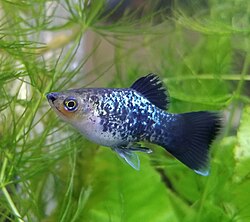
Fuzzy white growth on Platy can indicate a severe fungal infection. It is an urgent condition requiring prompt action. Owners should immediately adjust water parameters and provide appropriate treatment to prevent the spread and potential loss of the fish.
Platy Fuzzy Growth: Common Causes
Poor Water Quality
Most LikelyAmmonia, nitrite, and nitrate levels that exceed the optimal range can stress the fish and weaken its immune system, making it susceptible to fungal infections.
High Water Temperature
Most LikelyTemperatures above the recommended range can disrupt the natural balance of beneficial bacteria and promote fungal growth.
Deteriorating Tank Hygiene
Most LikelyFailure to regularly clean the tank and remove debris can create an environment conducive to fungal outbreaks.
Stress or Injury
PossiblePhysical damage to the fish, such as fin nipping or injury, can open the door to fungal infections.
Poor Diet
Less CommonA lack of proper nutrition can weaken the immune system, making the fish more prone to fungal infections.
How to Diagnose the Cause
Follow these steps in order. Stop when you identify a likely cause and move to treatment.
- Inspect the affected fish for the characteristic fuzzy white growth on the body, mouth, or fins.
Look for signs of cotton-like patches that may appear on the fish's skin, gills, or fins.
Recommended: null - Test the water quality to check for high ammonia, nitrite, or nitrate levels.
Use a reliable test kit to measure these parameters. High levels are indicators of poor water quality.
Recommended: Water Test Kit - Check the water temperature to ensure it is within the optimal range of 18.0–28.0°C.
Use a reliable thermometer to measure the water temperature. It should be maintained as close to the lower end of this range as possible.
Recommended: Thermometer - Review the fish's behavior for signs of stress or recent injury.
Stressed or injured fish may show signs such as rapid breathing, clamped fins, or a lack of appetite.
Recommended: null - Assess the diet and overall care of the fish to rule out nutritional deficiencies.
Ensure the fish is receiving a balanced diet that meets its specific nutritional needs.
Recommended: null
How to Treat Platy Fuzzy Growth
- Increase the water flow in the tank to help remove excess food particles and debris that can contribute to poor water quality.
- Perform a 50% water change daily for a minimum of three days to remove toxic substances and replace with fresh water.
- Lower the water temperature to the lower end of the recommended range (18.0–20.0°C) to inhibit fungal growth.
- Add an anti-fungal treatment to the tank, such as methylene blue, following the manufacturer's instructions.
- Isolate the affected fish from other tank inhabitants to prevent the spread of the infection.
How to Prevent Platy Fuzzy Growth
When to See a Vet
🔬 AI Symptom Checker
Not sure what's wrong? Describe your fish's symptoms to the FishCare AI and get an instant diagnosis.
Check Symptoms →Frequently Asked Questions
This guide was reviewed for biological accuracy and practical aquarium care guidance. Always test water parameters before treating a sick fish — poor water quality is the most common root cause. Consult an aquatic veterinarian if symptoms persist after 48 hours of correct treatment.
Sources: Merck Veterinary Manual — Aquarium Fishes · UF/IFAS Extension — Fish Health Management