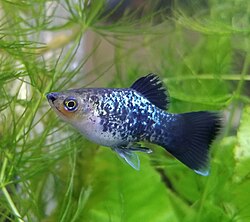
Curved or curled bodies in Platy can indicate serious health issues. This condition is urgent as it may lead to impaired mobility and reduced lifespan. It's crucial to address the underlying cause promptly to ensure the fish's well-being.
Platy Curled Body: Common Causes
Poor Water Quality
Most LikelyHigh ammonia or nitrite levels can cause skeletal deformities.
Dietary Deficiencies
PossibleLack of proper nutrients, especially vitamin D3, can lead to skeletal issues.
Genetic Disorders
Less CommonIn some cases, genetic factors can cause curved or curled bodies.
How to Diagnose the Cause
Follow these steps in order. Stop when you identify a likely cause and move to treatment.
- Inspect the tank environment
Check for water quality issues, overcrowding, and tank maintenance.
- Analyze water parameters
Test for ammonia, nitrite, nitrate, pH, and hardness levels.
Recommended: test kit - Assess diet
Evaluate the fish's diet and ensure it's balanced and appropriate.
- Observe for other signs
Look for signs of other diseases or stress, such as fin rot or lethargy.
- Consult a vet
If the cause is unclear, seek advice from a professional.
How to Treat Platy Curled Body
- Improve water quality
Increase water changes and remove any sources of pollution.
- Adjust diet
Provide a well-balanced diet rich in vitamin D3, possibly with vitamin supplements.
- Consider medication
If there's a bacterial infection, treat the tank with appropriate antibiotics.
- Provide space
Ensure the tank is adequately sized and not overcrowded.
- Monitor and support
Regularly monitor the fish's condition and provide necessary care and support.
How to Prevent Platy Curled Body
When to See a Vet
🔬 AI Symptom Checker
Not sure what's wrong? Describe your fish's symptoms to the FishCare AI and get an instant diagnosis.
Check Symptoms →Frequently Asked Questions
This guide was reviewed for biological accuracy and practical aquarium care guidance. Always test water parameters before treating a sick fish — poor water quality is the most common root cause. Consult an aquatic veterinarian if symptoms persist after 48 hours of correct treatment.
Sources: Merck Veterinary Manual — Aquarium Fishes · UF/IFAS Extension — Fish Health Management