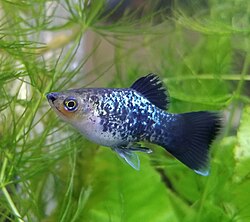
Bloated or swollen Platy can be a sign of serious health issues due to their delicate physiological makeup. This condition is often life-threatening and requires immediate attention. Owners should be aware that bloating can be caused by various factors, including internal parasites, overfeeding, and poor water quality.
Platy Bloated or Swollen: Common Causes
Internal Parasites
Most LikelyParasitic infections can cause bloating as they affect the fish's internal organs.
Overfeeding
PossibleExcessive food intake can lead to bloating as the fish's digestive system becomes overloaded.
Poor Water Quality
Most LikelyHigh ammonia or nitrite levels can stress the fish, leading to bloating and other health issues.
Gastritis
PossibleInflammation of the stomach can cause bloating and is often a result of dietary issues.
Kidney Disease
Less CommonKidney malfunction can lead to fluid retention and bloating, a serious condition for Platyfish.
How to Diagnose the Cause
Follow these steps in order. Stop when you identify a likely cause and move to treatment.
- Examine the fish's gills for signs of infection or damage.
Look for signs of fin rot or reddened gills, which may indicate a bacterial infection.
- Inspect the fish's abdomen for any lumps or abnormalities.
Gently palpate the abdomen to feel for any irregularities or swelling.
Recommended: gloves - Check the water parameters for ammonia, nitrite, and nitrate levels.
Use a test kit to ensure the water quality is within the recommended range for Platy.
Recommended: water test kit - Observe the fish's eating habits and waste production.
Changes in feeding or waste can provide clues about the fish's health and diet.
- Consider the fish's environment and recent changes.
Changes in the tank setup or water parameters can stress the fish and lead to health issues.
How to Treat Platy Bloated or Swollen
- Remove any uneaten food from the tank to prevent overfeeding.
Feed the fish only what it can consume in a few minutes.
- Perform a partial water change to improve water quality.
Replace 20-30% of the water with dechlorinated water.
- Treat the tank with an appropriate anti-parasitic medication.
Follow the manufacturer's instructions for dosing and treatment duration.
- If a bacterial infection is suspected, treat the tank with an antibacterial medication.
Ensure the medication is safe for use in a freshwater tank.
- Monitor the fish's health and water parameters closely throughout the treatment period.
Adjust treatment as necessary based on the fish's response and water quality readings.
How to Prevent Platy Bloated or Swollen
When to See a Vet
🔬 AI Symptom Checker
Not sure what's wrong? Describe your fish's symptoms to the FishCare AI and get an instant diagnosis.
Check Symptoms →Frequently Asked Questions
This guide was reviewed for biological accuracy and practical aquarium care guidance. Always test water parameters before treating a sick fish — poor water quality is the most common root cause. Consult an aquatic veterinarian if symptoms persist after 48 hours of correct treatment.
Sources: Merck Veterinary Manual — Aquarium Fishes · UF/IFAS Extension — Fish Health Management