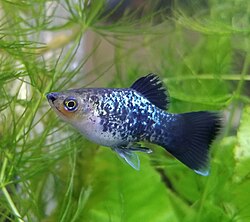
Black spots on Platy can indicate a variety of issues, from poor water quality to parasitic infections. These spots are often a sign of stress or disease and should be monitored closely. It's crucial for owners to understand that prompt action is necessary to prevent the spread and severity of the condition.
Platy Black Spots: Common Causes
Poor Water Quality
Most LikelyHigh levels of ammonia, nitrite, or nitrate can stress the fish and lead to black spot disease.
Poor Diet
PossibleA lack of proper nutrition can weaken the fish's immune system, making it more susceptible to infections.
Parasitic Infections
PossibleExternal parasites like ich or velvet can cause black spots on the fish's body and fins.
Bacterial Infections
PossibleBacteria such as Aeromonas or Pseudomonas can cause spots, often in conjunction with other symptoms.
Stress
Less CommonStress from overcrowding, aggression, or rapid temperature changes can weaken the fish and lead to spots.
How to Diagnose the Cause
Follow these steps in order. Stop when you identify a likely cause and move to treatment.
- Inspect the fish for any other symptoms such as fin rot, clamped fins, or loss of appetite.
This can help determine the cause of the black spots.
- Test the water parameters for ammonia, nitrite, nitrate, pH, and temperature.
Use a reliable test kit to ensure the water quality is within the recommended range for Platy.
Recommended: Water Test Kit - Observe the fish's behavior and environment for signs of stress or aggression.
Changes in behavior can indicate underlying issues contributing to the black spots.
- Check for external parasites by gently scraping the fish's skin with a fine needle or scalpel blade.
This can help identify if parasites are present.
Recommended: Fine Needle or Scalpel Blade - Consult with a vet or experienced fishkeeper if the cause remains unclear.
They can provide further guidance and treatment options.
How to Treat Platy Black Spots
- Improve water quality by performing regular water changes and using a water conditioner to remove toxins.
This can help alleviate stress and prevent further infections.
- Feed a balanced diet rich in vitamins and minerals to support the fish's immune system.
Opt for high-quality pellets or flakes specifically formulated for livebearers.
- Treat for parasites if identified, following the instructions provided by the vet or fishkeeper.
Common treatments include medications like metronidazole or formalin.
- Treat for bacterial infections with appropriate antibiotics, under the guidance of a vet.
This should only be done if the vet confirms a bacterial infection.
- Ensure the fish is in a stress-free environment, with adequate space and peaceful tankmates.
Minimize aggression and provide hiding spots to reduce stress levels.
How to Prevent Platy Black Spots
When to See a Vet
🔬 AI Symptom Checker
Not sure what's wrong? Describe your fish's symptoms to the FishCare AI and get an instant diagnosis.
Check Symptoms →Frequently Asked Questions
This guide was reviewed for biological accuracy and practical aquarium care guidance. Always test water parameters before treating a sick fish — poor water quality is the most common root cause. Consult an aquatic veterinarian if symptoms persist after 48 hours of correct treatment.
Sources: Merck Veterinary Manual — Aquarium Fishes · UF/IFAS Extension — Fish Health Management