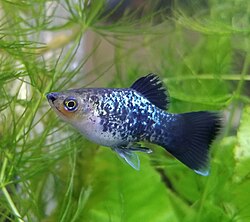
Suddenly aggressive behavior in Platy can stem from various factors, including stress, poor water quality, or a change in the social structure. This problem can escalate if not addressed promptly. Owners should first assess their tank setup and recent changes.
Platy Aggressive: Common Causes
Stress
Most LikelyStress can be caused by water quality issues, overcrowding, or sudden changes in the environment. It is a high likelihood cause.
Sexual Aggression
Most LikelyDuring breeding season, males can become more aggressive. This is also a high likelihood cause.
Habituation
PossibleRepeated handling or interaction with the owner's hand can lead to the fish associating it with feeding, resulting in nipping. This is a medium likelihood cause.
Illness
Less CommonUnderlying health issues can cause aggression as a secondary symptom. This is a low likelihood cause.
New Tank Syndrome
Less CommonThe initial adjustment period in a new tank can lead to aggressive behavior. This is a low likelihood cause.
How to Diagnose the Cause
Follow these steps in order. Stop when you identify a likely cause and move to treatment.
- Observe the tank for any signs of poor water quality, such as cloudy water or algae overgrowth.
Use a water test kit to check ammonia, nitrite, and nitrate levels.
Recommended: Water test kit - Monitor the fish's behavior and look for signs of illness, such as loss of appetite or coloration changes.
Inspect for any physical abnormalities or signs of injury.
- Assess the tank setup, including tank size, decoration, and tank mates.
Ensure the tank is spacious enough and that the decoration does not overcrowd the space.
- Check the water temperature and pH levels to ensure they are within the ideal range for Platy.
Use a reliable thermometer and pH test kit.
Recommended: Thermometer, pH test kit - Review any recent changes in the tank or feeding routine.
Changes can stress the fish and lead to aggressive behavior.
How to Treat Platy Aggressive
- Improve water quality by performing regular water changes and maintaining appropriate levels of ammonia, nitrite, and nitrate.
Change 20-30% of the water weekly.
- Ensure the tank is not overcrowded and that each fish has enough space to swim and hide.
If necessary, remove some tank mates or consider a larger tank.
- Separate aggressive fish from the community if possible, to prevent further conflicts.
Use a separate tank or a breeding net.
- Monitor the fish's diet and ensure it is balanced and appropriate for their needs.
Avoid overfeeding and provide a varied diet.
- Consider using a stress-reducing product or a calming agent if the aggression is severe and persistent.
Follow the manufacturer's instructions carefully.
How to Prevent Platy Aggressive
When to See a Vet
🔬 AI Symptom Checker
Not sure what's wrong? Describe your fish's symptoms to the FishCare AI and get an instant diagnosis.
Check Symptoms →Frequently Asked Questions
This guide was reviewed for biological accuracy and practical aquarium care guidance. Always test water parameters before treating a sick fish — poor water quality is the most common root cause. Consult an aquatic veterinarian if symptoms persist after 48 hours of correct treatment.
Sources: Merck Veterinary Manual — Aquarium Fishes · UF/IFAS Extension — Fish Health Management