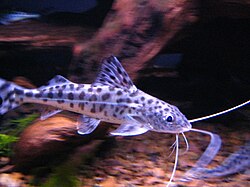
White spots on Pictus Catfish are a critical sign of Ichthyophthirius multifiliis infection, a highly contagious disease that can be fatal if not treated promptly. These fish are sensitive to rapid changes in water parameters, and the disease can spread rapidly through a school. Owners must act quickly to prevent widespread infection and potential loss of their fish.
Pictus Catfish White Spots (Ich): Common Causes
Poor Water Quality
Most LikelyAmmonia and nitrite levels above acceptable limits can stress Pictus Catfish, making them more susceptible to Ich.
New Tank Syndrome
Most LikelyHigh levels of stress due to water changes, cleaning, or introducing new fish can trigger Ich outbreaks in Pictus Catfish.
Temperature Fluctuations
PossibleSudden shifts in water temperature, even within the recommended range, can stress these fish and lead to Ich.
Insufficient Aeration
PossibleLow oxygen levels can stress Pictus Catfish, increasing the risk of Ich.
Stressful Tank Environment
Less CommonCrowded tanks or aggression from tankmates can stress Pictus Catfish, contributing to Ich susceptibility.
How to Diagnose the Cause
Follow these steps in order. Stop when you identify a likely cause and move to treatment.
- Observe the fish for classic Ich symptoms like white spots and loss of color.
Check the fish for salt-grain-like spots on the body and fins, and monitor for other signs of stress such as reduced appetite or aggression.
- Test water parameters for ammonia, nitrite, nitrate, pH, and temperature.
Ensure all parameters are within the optimal range for Pictus Catfish. Any deviation may indicate stress or the presence of Ich.
Recommended: water test kit - Use a magnifying glass to inspect the fish's skin and gills for visible parasites.
Ich is caused by a protozoan parasite that can be difficult to spot with the naked eye, but a magnifying tool can help identify it.
Recommended: magnifying glass - Check for signs of secondary infections, such as ulcers or red spots, which can indicate that Ich has progressed.
These symptoms may be a sign that the fish's immune system is compromised, and the infection has become more serious.
How to Treat Pictus Catfish White Spots (Ich)
- Perform a 25-30% water change, maintaining the water parameters at optimal levels for Pictus Catfish.
This helps remove the stressors that may be contributing to the Ich outbreak and reduces the number of parasites in the water.
- Continue treatment with a medication specifically for Ich, such as formalin or malachite green, as directed by the vet.
Follow the recommended dosage and treatment duration to ensure the medication effectively kills the Ich parasites without harming the fish.
- Perform daily water changes, continuing until the Ich has cleared up and the fish are no longer showing symptoms.
Regular water changes will help remove dead parasites and prevent the re-infestation of healthy fish in the tank.
How to Prevent Pictus Catfish White Spots (Ich)
When to See a Vet
🔬 AI Symptom Checker
Not sure what's wrong? Describe your fish's symptoms to the FishCare AI and get an instant diagnosis.
Check Symptoms →Frequently Asked Questions
This guide was reviewed for biological accuracy and practical aquarium care guidance. Always test water parameters before treating a sick fish — poor water quality is the most common root cause. Consult an aquatic veterinarian if symptoms persist after 48 hours of correct treatment.
Sources: Merck Veterinary Manual — Aquarium Fishes · UF/IFAS Extension — Fish Health Management