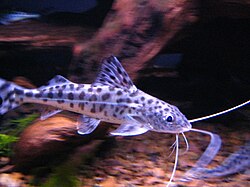
Sinking to the bottom in Pictus Catfish is a critical sign of illness, often indicating a severe health issue. This behavior can be life-threatening and requires immediate attention. Owners should first ensure the tank conditions are optimal and rule out common causes before seeking professional help.
Pictus Catfish Sinking to Bottom: Common Causes
Internal Parasites
Most LikelyInfestations can lead to internal damage and weakness, causing the fish to sink.
Poor Water Quality
Most LikelyHigh ammonia or nitrite levels can stress the fish, leading to sinking behavior.
Digestive Issues
PossibleIndigestion or bloating can cause discomfort and make the fish unable to swim properly.
Wounds or Injuries
PossiblePhysical damage from fighting or tank decorations can lead to weakness and sinking.
Stress or Overcrowding
Less CommonStress from tank mates or overcrowding can weaken the fish, making it sink to the bottom.
How to Diagnose the Cause
Follow these steps in order. Stop when you identify a likely cause and move to treatment.
- Inspect the fish for external signs of injury or disease.
Look for wounds, spots, or discoloration.
- Check the water parameters for ammonia, nitrite, and nitrate levels.
Use a water test kit to measure these parameters.
Recommended: Water test kit - Observe the fish's behavior and diet.
Note any changes in appetite or swimming patterns.
- Perform a fecal float test to check for internal parasites.
Collect a sample of the fish's feces and mix it with water.
Recommended: Fecal float test kit - Consider the tank environment, including temperature, pH, and tank mates.
Ensure the conditions are within the optimal range for Pictus Catfish.
How to Treat Pictus Catfish Sinking to Bottom
- Improve water quality by changing 25-30% of the tank water daily.
Use dechlorinated water to avoid stress.
- Administer appropriate medication for internal parasites if diagnosed.
Follow the instructions on the medication package.
- Feed a high-quality diet and consider fasting for a day to help with digestion issues.
Ensure the food is easily digestible and rich in nutrients.
- Treat wounds with a fish-safe antiseptic if present.
Apply the antiseptic directly to the wound with a syringe.
- Reduce stress by ensuring adequate space and removing aggressive tank mates if necessary.
Provide hiding spots and reduce tank decor to minimize stressors.
How to Prevent Pictus Catfish Sinking to Bottom
When to See a Vet
🔬 AI Symptom Checker
Not sure what's wrong? Describe your fish's symptoms to the FishCare AI and get an instant diagnosis.
Check Symptoms →Frequently Asked Questions
This guide was reviewed for biological accuracy and practical aquarium care guidance. Always test water parameters before treating a sick fish — poor water quality is the most common root cause. Consult an aquatic veterinarian if symptoms persist after 48 hours of correct treatment.
Sources: Merck Veterinary Manual — Aquarium Fishes · UF/IFAS Extension — Fish Health Management