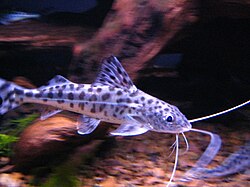
Rubbing against objects in Pictus Catfish is often a sign of stress or discomfort, which can be serious if not addressed promptly. Understanding the underlying cause is crucial for effective management. Owners should monitor the fish's behavior and water conditions closely.
Pictus Catfish Rubbing Against Objects: Common Causes
Poor Water Quality
Most LikelyHigh ammonia or nitrite levels can cause stress and lead to rubbing behavior.
Inadequate Diet
Most LikelyInsufficient nutrients or a lack of variety in the diet can result in malnutrition and stress.
Insufficient Space
Most LikelyPictus Catfish are active and require ample swimming space. Crowded tanks can lead to stress and rubbing.
Water Temperature Fluctuations
PossibleFluctuations outside the optimal range can stress the fish and trigger rubbing.
Poor Tank Decor
Less CommonSharp edges or rough surfaces in the tank can physically irritate the fish, causing them to rub against objects.
How to Diagnose the Cause
Follow these steps in order. Stop when you identify a likely cause and move to treatment.
- Observe the fish's behavior and environment closely.
Look for signs of stress, such as changes in color or appetite, and check the water parameters.
- Test the water for ammonia, nitrite, and nitrate levels.
Use a water test kit to ensure the parameters are within the optimal range for Pictus Catfish.
Recommended: Water test kit - Assess the diet and feeding routine.
Ensure the fish is receiving a balanced diet with a variety of foods, including live, frozen, and freeze-dried options.
- Evaluate the tank size and decor.
Check if the tank is too small or if there are sharp edges or rough surfaces that could cause irritation.
- Monitor water temperature and pH levels.
Use a reliable thermometer and pH test kit to ensure the conditions are stable and within the recommended range.
Recommended: Thermometer, pH test kit
How to Treat Pictus Catfish Rubbing Against Objects
- Improve water quality by carrying out regular water changes.
Change 20-30% of the water weekly to maintain optimal ammonia and nitrite levels.
- Adjust the diet to ensure it is balanced and varied.
Offer a mix of high-quality catfish-specific foods and occasional treats like bloodworms or shrimp.
- Increase the tank size or rearrange the decor if necessary.
Ensure the fish has enough space to swim and explore, and remove any sharp or rough objects.
- Stabilize water temperature and pH levels.
Use an aquarium heater and pH buffers to maintain consistent conditions.
- Consider adding tankmates if the fish is showing signs of aggression or bullying.
Choose compatible species that share similar swimming speeds and behaviors.
How to Prevent Pictus Catfish Rubbing Against Objects
When to See a Vet
🔬 AI Symptom Checker
Not sure what's wrong? Describe your fish's symptoms to the FishCare AI and get an instant diagnosis.
Check Symptoms →Frequently Asked Questions
This guide was reviewed for biological accuracy and practical aquarium care guidance. Always test water parameters before treating a sick fish — poor water quality is the most common root cause. Consult an aquatic veterinarian if symptoms persist after 48 hours of correct treatment.
Sources: Merck Veterinary Manual — Aquarium Fishes · UF/IFAS Extension — Fish Health Management