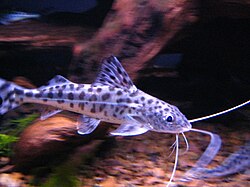
Red streaks on a Pictus Catfish are a sign of severe internal bleeding, likely due to stress, poor water quality, or injury. This condition is life-threatening and requires immediate attention. Owners should first ensure the tank conditions are optimal for Pictus Catfish before seeking treatment.
Pictus Catfish Red Streaks on Body: Common Causes
Poor Water Quality
Most LikelyHigh ammonia, nitrite, or nitrate levels can cause stress and weaken the fish's immune system, leading to bleeding.
Injury
Most LikelyPhysical trauma from tank decorations, other fish, or aggressive tank mates can cause bleeding.
Parasites
PossibleCertain parasites can cause internal bleeding in Pictus Catfish.
Toxicity
PossibleToxic substances like copper or heavy metals can lead to bleeding in the fish.
Internal Disease
Less CommonConditions like liver disease or cancer can cause internal bleeding and red streaks.
How to Diagnose the Cause
Follow these steps in order. Stop when you identify a likely cause and move to treatment.
- Perform a water test to check ammonia, nitrite, nitrate, and pH levels.
Ensure the water parameters are within the optimal range for Pictus Catfish.
Recommended: Water test kit - Inspect the fish for signs of injury or parasites, such as lumps, spots, or slime patches.
Observe the fish's body and fins for any visible damage or abnormalities.
- Consider the fish's recent diet and changes in the tank environment.
Evaluate any recent changes that could have stressed the fish, such as a new diet or overcrowding.
- Examine the fish for signs of internal disease, such as bloating or loss of appetite.
Look for symptoms of internal health issues that may not be visible externally.
- Consult with a vet who specializes in fish health for a definitive diagnosis and treatment plan.
A professional can perform more advanced tests if necessary.
How to Treat Pictus Catfish Red Streaks on Body
- Immediate water changes to improve water quality, reducing ammonia and nitrite levels.
Perform water changes of 25-30% daily until parameters are stable.
- Administer antiparasitic medication if a parasitic infection is suspected.
Follow the vet's instructions for dosage and treatment duration.
- Remove any aggressive tank mates or adjust the tank environment to reduce stress.
Create a calm and safe environment for the fish.
- Provide a balanced diet with high-quality food and vitamins to support the fish's immune system.
Ensure the diet is rich in protein and essential nutrients.
- Monitor the fish closely for any improvement or worsening of symptoms, and continue treatment as directed by the vet.
Regular observation is crucial for adjusting the treatment plan as needed.
How to Prevent Pictus Catfish Red Streaks on Body
When to See a Vet
🔬 AI Symptom Checker
Not sure what's wrong? Describe your fish's symptoms to the FishCare AI and get an instant diagnosis.
Check Symptoms →Frequently Asked Questions
This guide was reviewed for biological accuracy and practical aquarium care guidance. Always test water parameters before treating a sick fish — poor water quality is the most common root cause. Consult an aquatic veterinarian if symptoms persist after 48 hours of correct treatment.
Sources: Merck Veterinary Manual — Aquarium Fishes · UF/IFAS Extension — Fish Health Management