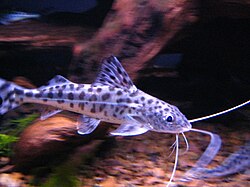
Rapid breathing in Pictus Catfish, or Pimelodus pictus, is a critical sign of stress or illness. It's often indicative of serious health issues, and prompt action is essential. Owners should first assess the water quality and overall tank conditions.
Pictus Catfish Rapid Breathing: Common Causes
Poor Water Quality
Most LikelyHigh ammonia or nitrite levels can cause stress and rapid breathing.
Water Temperature Fluctuations
Most LikelySudden changes in water temperature can lead to stress and labored breathing.
Insufficient Oxygen
Most LikelyLow dissolved oxygen levels in the water can cause the fish to breathe faster.
Internal Parasites
PossibleInfections from parasites like Monogenea can lead to respiratory issues.
Bacterial Infections
Less CommonBacterial diseases such as Columnaris can cause respiratory distress.
How to Diagnose the Cause
Follow these steps in order. Stop when you identify a likely cause and move to treatment.
- Check the water parameters
Measure ammonia, nitrite, nitrate, pH, and temperature levels.
Recommended: test kit - Inspect the fish for external signs
Look for lumps, spots, or any other visible abnormalities.
- Observe swimming patterns
Note if the fish is swimming erratically or if it's stuck at the water surface.
- Perform a fecal float
Check for the presence of parasites or signs of internal distress.
Recommended: microscope - Consult with a vet
If unsure, seek professional advice for a definitive diagnosis.
How to Treat Pictus Catfish Rapid Breathing
- Improve water quality
Perform water changes, use water conditioners, and adjust temperature to optimal levels.
- Add aeration
Use an air stone or powerhead to increase oxygen levels in the tank.
- Treat for parasites
Use an appropriate medication as directed by a vet if parasites are detected.
- Treat for bacterial infections
Administer antibiotics as prescribed by a vet for bacterial infections.
- Supportive care
Ensure the fish is in a stress-free environment with plenty of swimming space and hiding spots.
How to Prevent Pictus Catfish Rapid Breathing
When to See a Vet
🔬 AI Symptom Checker
Not sure what's wrong? Describe your fish's symptoms to the FishCare AI and get an instant diagnosis.
Check Symptoms →Frequently Asked Questions
This guide was reviewed for biological accuracy and practical aquarium care guidance. Always test water parameters before treating a sick fish — poor water quality is the most common root cause. Consult an aquatic veterinarian if symptoms persist after 48 hours of correct treatment.
Sources: Merck Veterinary Manual — Aquarium Fishes · UF/IFAS Extension — Fish Health Management