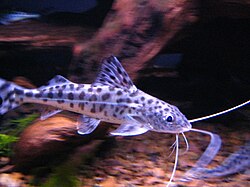
Not eating in Pictus Catfish can be caused by various factors, including stress, poor water quality, or health issues. It is a moderate concern and requires immediate attention to prevent long-term health problems. Owners should first assess the water parameters and diet before taking further action.
Pictus Catfish Not Eating: Common Causes
Poor Water Quality
Most LikelyHigh ammonia or nitrite levels can stress the fish and lead to a loss of appetite.
Stress
Most LikelyChanges in the tank environment, such as new tankmates or decorations, can cause stress and affect feeding behavior.
Dietary Issues
PossibleAn unbalanced diet or overfeeding can lead to a lack of interest in food.
Health Problems
PossibleInternal parasites, infections, or diseases can cause pain and reduce appetite.
Maturity
Less CommonIn some cases, mature Pictus Catfish may show a decrease in feeding as they transition to spawning behavior.
How to Diagnose the Cause
Follow these steps in order. Stop when you identify a likely cause and move to treatment.
- Check water parameters for ammonia, nitrite, and nitrate levels.
Use a test kit to ensure the water quality is within the optimal range for Pictus Catfish.
Recommended: Water test kit - Inspect the fish for signs of injury, parasites, or disease.
Look for any abnormalities in the fish's appearance or behavior that might indicate a health issue.
- Observe the fish's behavior and interactions with tankmates.
Stress can manifest as changes in behavior, such as hiding or aggression.
- Review the diet and feeding schedule.
Ensure the diet is balanced and the feeding frequency is appropriate for the fish's age and activity level.
- Check for recent changes in the tank setup or tankmates.
Changes can cause stress and affect feeding behavior.
How to Treat Pictus Catfish Not Eating
- Improve water quality by performing regular water changes and treating for ammonia and nitrite if necessary.
Water changes should be done gradually to avoid shock.
- Reduce stress by minimizing disturbances in the tank and ensuring adequate hiding spots.
Avoid sudden changes in the tank environment.
- Adjust the diet to include a variety of live, frozen, and high-quality pelleted foods.
Ensure the diet is rich in protein and nutrients.
- If a health issue is suspected, consult a vet for a proper diagnosis and treatment.
Do not self-medicate as this can worsen the condition.
- Monitor the fish's response to the changes and adjust the treatment plan as needed.
Consistency is key in addressing the underlying cause.
How to Prevent Pictus Catfish Not Eating
When to See a Vet
🔬 AI Symptom Checker
Not sure what's wrong? Describe your fish's symptoms to the FishCare AI and get an instant diagnosis.
Check Symptoms →Frequently Asked Questions
This guide was reviewed for biological accuracy and practical aquarium care guidance. Always test water parameters before treating a sick fish — poor water quality is the most common root cause. Consult an aquatic veterinarian if symptoms persist after 48 hours of correct treatment.
Sources: Merck Veterinary Manual — Aquarium Fishes · UF/IFAS Extension — Fish Health Management