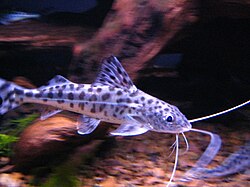
Missing scales in Pictus Catfish, often due to parasitic infections or poor water quality, can lead to secondary infections and stress. Owners should first ensure a stable environment and proper diet, as these issues are critical in preventing further damage.
Pictus Catfish Missing Scales: Common Causes
Parasitic Infection
Most LikelyBacterial or parasitic infections like Ichthyophthirius multifiliis can cause scales to detach.
Poor Water Quality
Most LikelyHigh ammonia or nitrite levels can stress the fish, leading to scale loss.
Dietary Deficiencies
PossibleLack of essential nutrients, particularly vitamin C and omega-3 fatty acids, can weaken scales.
Environmental Stress
PossibleSudden changes in water parameters or aggressive tank mates can cause stress-induced scale loss.
Genetic Factors
Less CommonSome instances may be due to genetic predisposition, though this is less common.
How to Diagnose the Cause
Follow these steps in order. Stop when you identify a likely cause and move to treatment.
- Inspect the fish for other signs of illness such as fin rot or bloating.
Look for any additional symptoms that might indicate a specific cause.
- Check the water quality parameters for ammonia, nitrite, and nitrate levels.
Use a test kit to ensure the water is within the optimal range for Pictus Catfish.
Recommended: Water test kit - Observe the fish's behavior and diet to assess for any recent changes.
Changes in behavior or diet can be indicators of underlying health issues.
- Examine the tank for signs of parasites or other fish health issues.
Look for any evidence of pests or other fish that may be contributing to the problem.
- Consider the fish's genetic background if other causes have been ruled out.
Genetic factors should be considered only after all other possibilities have been exhausted.
How to Treat Pictus Catfish Missing Scales
- Treat the fish with an appropriate medication if a parasitic infection is present.
Follow the manufacturer's instructions carefully for dosage and treatment duration.
- Improve water quality by increasing water changes and using a water conditioner to remove toxins.
Regular water changes of 20-30% per week are recommended.
- Adjust the diet to include high-quality fish food rich in vitamins and omega-3 fatty acids.
Provide a varied diet that includes both commercial and live foods.
- Reduce stress by ensuring the tank has adequate hiding spots and minimizing aggression among tank mates.
Create a stress-free environment that allows the fish to feel secure.
- Monitor the fish closely for any signs of improvement or recurrence of the issue.
Regular observation is crucial to ensure the treatment is effective and to address any new issues promptly.
How to Prevent Pictus Catfish Missing Scales
When to See a Vet
🔬 AI Symptom Checker
Not sure what's wrong? Describe your fish's symptoms to the FishCare AI and get an instant diagnosis.
Check Symptoms →Frequently Asked Questions
This guide was reviewed for biological accuracy and practical aquarium care guidance. Always test water parameters before treating a sick fish — poor water quality is the most common root cause. Consult an aquatic veterinarian if symptoms persist after 48 hours of correct treatment.
Sources: Merck Veterinary Manual — Aquarium Fishes · UF/IFAS Extension — Fish Health Management