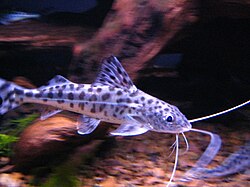
Losing color in Pictus Catfish is often due to stress, poor water quality, or dietary deficiencies. This condition is usually not life-threatening but requires immediate attention. Owners should first ensure stable water parameters and a balanced diet.
Pictus Catfish Losing Color: Common Causes
Poor Water Quality
Most LikelyHigh ammonia or nitrite levels can stress the fish and lead to color loss.
Dietary Deficiencies
Most LikelyInadequate protein or vitamins can cause paleness in Pictus Catfish.
Stress
PossibleAgitation from tankmates or sudden changes in environment can stress the fish and result in color fading.
Illness
Less CommonInfections or diseases can also cause color loss, indicating a more serious health issue.
How to Diagnose the Cause
Follow these steps in order. Stop when you identify a likely cause and move to treatment.
- Check water parameters for ammonia, nitrite, nitrate, pH, and temperature.
Use a reliable test kit to ensure water quality is within the optimal range for Pictus Catfish.
Recommended: Water test kit - Observe the fish's behavior and appearance for other signs of illness.
Look for signs of fin damage, bloating, or loss of appetite, which may indicate a more serious condition.
- Review the fish's diet and feeding schedule.
Ensure the diet is balanced and includes a variety of foods, such as pellets, frozen foods, and live or frozen brine shrimp.
- Inspect the tank for any signs of aggression or bullying by tankmates.
Ensure the tank is large enough and the tankmates are compatible with Pictus Catfish.
- Consider recent changes in the tank environment or water parameters.
Changes such as new tankmates or filter maintenance can stress the fish.
How to Treat Pictus Catfish Losing Color
- Improve water quality by regular water changes and maintaining optimal parameters.
Change 20-30% of the tank water weekly to remove toxins and maintain a healthy environment.
- Adjust the diet to include more protein-rich foods and vitamin supplements.
Feeding a varied diet with high-quality catfish-specific pellets and occasional treats of brine shrimp or krill can help restore color.
- Reduce stress by ensuring adequate space, compatible tankmates, and a stable environment.
Remove any aggressive tankmates or provide hiding spots to reduce stress.
- If illness is suspected, consult a veterinarian specializing in aquatic animals for appropriate treatment.
Early diagnosis and treatment by a vet can prevent complications and improve the fish's chances of recovery.
- Monitor the fish's progress and continue with the recommended treatments.
Regular observation can help determine the effectiveness of the treatment and whether further steps are needed.
How to Prevent Pictus Catfish Losing Color
When to See a Vet
🔬 AI Symptom Checker
Not sure what's wrong? Describe your fish's symptoms to the FishCare AI and get an instant diagnosis.
Check Symptoms →Frequently Asked Questions
This guide was reviewed for biological accuracy and practical aquarium care guidance. Always test water parameters before treating a sick fish — poor water quality is the most common root cause. Consult an aquatic veterinarian if symptoms persist after 48 hours of correct treatment.
Sources: Merck Veterinary Manual — Aquarium Fishes · UF/IFAS Extension — Fish Health Management