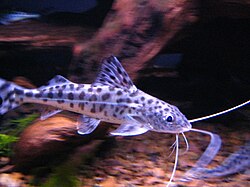
Gasping at the surface in Pictus Catfish is a critical sign of oxygen deprivation or gill damage, often due to poor water quality or temperature stress. Immediate action is necessary to prevent serious health issues or even death. Owners should first check the water parameters and ensure the tank is well-maintained.
Pictus Catfish Gasping at Surface: Common Causes
Low Oxygen Levels
Most LikelyInsufficient dissolved oxygen can be caused by overstocking, poor aeration, or high temperatures.
Poor Water Quality
Most LikelyAmmonia, nitrite, and nitrate levels can be toxic to Pictus Catfish, leading to gill damage and gasping.
Temperature Stress
PossibleFluctuations in water temperature can stress the fish, causing them to surface for air.
Gill Damage
PossiblePhysical damage to the gills can be caused by aggressive tankmates or parasites.
Disease
Less CommonInfections can impair the gills, leading to gasping at the surface.
How to Diagnose the Cause
Follow these steps in order. Stop when you identify a likely cause and move to treatment.
- Measure the water temperature and pH using a reliable test kit.
Ensure the tank conditions are within the optimal range for Pictus Catfish.
Recommended: Water test kit - Check the water for signs of ammonia, nitrite, and nitrate using a test kit.
High levels of these toxins can indicate poor water quality.
Recommended: Water test kit - Inspect the fish for signs of injury or disease, such as ulcers or parasites.
Physical examination can reveal underlying health issues.
- Observe the behavior of the fish to determine if it is isolated or if other fish are also affected.
Isolation may indicate aggression or disease.
- Consider recent changes in the tank, such as new decorations or fish introductions.
Changes can stress the fish and lead to gasping.
How to Treat Pictus Catfish Gasping at Surface
- Increase aeration or use an air pump to improve oxygen levels in the water.
Ensure the tank is well-oxygenated.
- Perform a water change of 25-30% to remove toxins and improve water quality.
Use dechlorinated water and adjust the temperature to match the tank's conditions.
- Add an oxygenating agent to the water if necessary, following the manufacturer's instructions.
This can be especially helpful in warmer water conditions.
- Treat the tank with an appropriate medication if a bacterial or parasitic infection is suspected.
Follow the treatment protocol carefully.
- If the fish is isolated, consider re-introducing it to the tank after the problem is resolved to prevent social stress.
Monitor the fish's behavior closely after re-introduction.
How to Prevent Pictus Catfish Gasping at Surface
When to See a Vet
🔬 AI Symptom Checker
Not sure what's wrong? Describe your fish's symptoms to the FishCare AI and get an instant diagnosis.
Check Symptoms →Frequently Asked Questions
This guide was reviewed for biological accuracy and practical aquarium care guidance. Always test water parameters before treating a sick fish — poor water quality is the most common root cause. Consult an aquatic veterinarian if symptoms persist after 48 hours of correct treatment.
Sources: Merck Veterinary Manual — Aquarium Fishes · UF/IFAS Extension — Fish Health Management