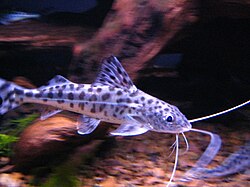
Fuzzy white growth on Pictus Catfish is a severe fungal infection that requires immediate attention. This can be caused by stress, poor water quality, or inadequate diet, and can lead to rapid deterioration if not treated promptly.
Pictus Catfish Fuzzy Growth: Common Causes
Poor Water Quality
Most LikelyHigh ammonia or nitrite levels can weaken the fish's immune system, making it more susceptible to fungal infections.
Stress
Most LikelyFast-moving Pictus Catfish are sensitive to stress, which can be caused by overcrowding, aggression, or rapid changes in water parameters.
Inadequate Diet
PossibleInsufficient nutrients can weaken the fish's immune system, making it more prone to fungal infections.
Infection from Other Fish
PossibleFungal spores can be introduced to the tank by other infected fish, so it's important to isolate the affected fish.
Environmental Changes
Less CommonSudden changes in water temperature or pH can stress the fish and weaken its immune system, allowing fungi to thrive.
How to Diagnose the Cause
Follow these steps in order. Stop when you identify a likely cause and move to treatment.
- Inspect the fish for signs of fungal growth on the body, mouth, or fins.
Look for cotton-like white or grey patches.
Recommended: magnifying glass - Check water quality parameters for ammonia, nitrite, and nitrate levels.
Use a water test kit to measure these levels.
Recommended: water test kit - Monitor the fish's diet and behavior to rule out stress or nutritional deficiencies.
Ensure the fish is receiving a balanced diet and is not being bullied by tankmates.
- Observe the tank environment for any recent changes that may have caused stress to the fish.
This includes water temperature, pH, and tank mates.
- Consider the presence of other fish in the tank that may be carriers of the fungus.
Isolate the affected fish and observe for improvement before reintroducing it to the tank.
How to Treat Pictus Catfish Fuzzy Growth
- Improve water quality by performing frequent water changes (20-30% per week).
Target a pH of 6.0-7.0 and maintain a stable temperature of 24-27°C.
- Use an anti-fungal treatment such as methylene blue or potassium permanganate.
Follow the manufacturer's instructions for dosage and treatment duration.
- Isolate the affected fish in a hospital tank with fresh water and appropriate temperature.
This will prevent the spread of the fungus to other fish.
- Provide a balanced diet rich in vitamins and minerals to boost the fish's immune system.
Feed high-quality catfish food and consider adding a vitamin supplement.
- Monitor the fish closely for signs of improvement and continue treatment until the fungal growth is completely gone.
Do not discontinue treatment prematurely as this can lead to recurrence or spread of the infection.
How to Prevent Pictus Catfish Fuzzy Growth
When to See a Vet
🔬 AI Symptom Checker
Not sure what's wrong? Describe your fish's symptoms to the FishCare AI and get an instant diagnosis.
Check Symptoms →Frequently Asked Questions
This guide was reviewed for biological accuracy and practical aquarium care guidance. Always test water parameters before treating a sick fish — poor water quality is the most common root cause. Consult an aquatic veterinarian if symptoms persist after 48 hours of correct treatment.
Sources: Merck Veterinary Manual — Aquarium Fishes · UF/IFAS Extension — Fish Health Management