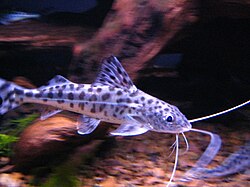
Floating at the surface in Pictus Catfish is a critical issue indicating possible serious health problems. It is urgent to address as it could lead to drowning or other life-threatening complications. Owners should first assess the water parameters and recent changes in the fish's behavior.
Pictus Catfish Floating at Surface: Common Causes
Poor Water Quality
Most LikelyHigh ammonia or nitrite levels can cause stress and lead to this behavior.
Digestive Upset
PossibleOverfeeding or a change in diet can cause bloating and difficulty swimming.
Respiratory Issues
Most LikelyGill damage or infection can cause the fish to surface to breathe more easily.
Stress or Trauma
PossibleRecent tank disturbances or aggressive tankmates can cause stress and swimming difficulties.
Old Age
Less CommonSenior Pictus Catfish may have reduced mobility and may float at the surface due to age-related issues.
How to Diagnose the Cause
Follow these steps in order. Stop when you identify a likely cause and move to treatment.
- Check the water parameters for ammonia, nitrite, nitrate, pH, and temperature.
Use a test kit to ensure the water is within the ideal range for Pictus Catfish.
Recommended: Water test kit - Inspect the fish for signs of injury or disease.
Look for lesions, bloating, or other abnormalities.
- Observe the fish's behavior and diet.
Note any recent changes in feeding habits or tank conditions.
- Consider the fish's age and health history.
Older fish may have age-related issues that could cause this behavior.
- Check for signs of internal bloating or swim bladder issues.
Use a magnifying glass or a mirror to inspect the fish's vent area.
Recommended: Magnifying glass
How to Treat Pictus Catfish Floating at Surface
- Improve water quality by increasing water changes and ensuring proper filtration.
Adjust the tank parameters to the recommended range for Pictus Catfish.
- Adjust the diet if overfeeding or dietary changes are suspected.
Feeding smaller, more frequent meals and avoiding overfeeding.
- Treat any visible infections with appropriate medications.
Consult a vet for the correct medication and dosage.
- Provide a stress-free environment by reducing tank disturbances and ensuring adequate space.
Remove aggressive tankmates if necessary.
- Consider a swim bladder treatment if the issue is related to the swim bladder.
Consult a vet for the appropriate treatment and follow their instructions closely.
How to Prevent Pictus Catfish Floating at Surface
When to See a Vet
🔬 AI Symptom Checker
Not sure what's wrong? Describe your fish's symptoms to the FishCare AI and get an instant diagnosis.
Check Symptoms →Frequently Asked Questions
This guide was reviewed for biological accuracy and practical aquarium care guidance. Always test water parameters before treating a sick fish — poor water quality is the most common root cause. Consult an aquatic veterinarian if symptoms persist after 48 hours of correct treatment.
Sources: Merck Veterinary Manual — Aquarium Fishes · UF/IFAS Extension — Fish Health Management