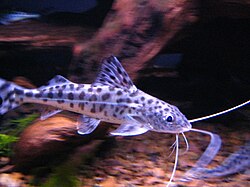
Fin rot in Pictus Catfish is a serious condition caused by bacterial infections, often exacerbated by poor water quality or stress. It can lead to severe tissue damage and even death if not treated promptly. Owners should first ensure the tank conditions are optimal and consider the stress factors that may have contributed to the disease.
Pictus Catfish Fin Rot: Common Causes
Poor Water Quality
Most LikelyHigh levels of ammonia or nitrite can weaken the fish's immune system, making it more susceptible to infections.
Stress
Most LikelyStress due to aggression, overcrowding, or sudden changes in water parameters can weaken the fish's immune system, allowing for bacterial infections to take hold.
Poor Diet
PossibleA diet lacking in variety or high in poor-quality food can lead to malnutrition and weakened immune response.
Water Temperature Fluctuations
PossibleFluctuations in water temperature can stress the fish and weaken its immune system, making it more prone to infections.
Poor Tank Maintenance
Less CommonNeglecting regular water changes and cleaning can lead to a buildup of harmful bacteria and other pathogens.
How to Diagnose the Cause
Follow these steps in order. Stop when you identify a likely cause and move to treatment.
- Inspect the fish for signs of fin rot, such as ragged or discolored fins.
Look for the characteristic symptoms, including the progressive deterioration of the fin edges.
- Check the water quality parameters using a test kit, including ammonia, nitrite, nitrate, pH, and temperature.
Ensure that the water conditions are within the optimal range for Pictus Catfish.
Recommended: Water test kit - Observe the fish's behavior and diet to identify any stress factors or nutritional deficiencies.
Look for signs of aggression, overcrowding, or changes in appetite.
- Consider the fish's history, including recent changes in the tank setup or recent introductions of new fish.
Changes in the environment can stress the fish and contribute to health issues.
- Consult with a vet or experienced aquarist if the diagnosis is uncertain or if the fish's condition worsens.
Expert advice can be crucial in diagnosing and treating complex cases.
How to Treat Pictus Catfish Fin Rot
- Improve water quality by performing regular water changes and maintaining optimal pH and temperature.
Change 20-30% of the tank water weekly and ensure a consistent water temperature and pH level.
- Disinfect the tank and any equipment that comes into contact with the fish using an appropriate fish-safe disinfectant.
Follow the manufacturer's instructions for safe use and ensure the tank is thoroughly rinsed before reuse.
- Treat the fish with an appropriate antibiotic or antifungal medication as prescribed by a vet.
Follow the vet's instructions regarding dosage and treatment duration.
- Ensure the fish is not stressed by providing hiding spots, reducing aggression, and maintaining a consistent routine.
Create a stress-free environment that mimics the fish's natural habitat.
- Monitor the fish's progress closely and continue treatment until the fins have fully healed and the fish is showing no signs of stress or illness.
Regular observation is crucial to ensure the treatment is effective and to catch any recurrence early.
How to Prevent Pictus Catfish Fin Rot
When to See a Vet
🔬 AI Symptom Checker
Not sure what's wrong? Describe your fish's symptoms to the FishCare AI and get an instant diagnosis.
Check Symptoms →Frequently Asked Questions
This guide was reviewed for biological accuracy and practical aquarium care guidance. Always test water parameters before treating a sick fish — poor water quality is the most common root cause. Consult an aquatic veterinarian if symptoms persist after 48 hours of correct treatment.
Sources: Merck Veterinary Manual — Aquarium Fishes · UF/IFAS Extension — Fish Health Management