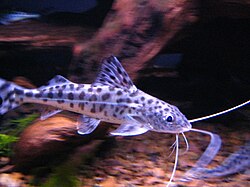
Darting or flashing in Pictus Catfish, often due to external irritants, can be a sign of stress or illness. It's a moderate concern that requires immediate monitoring. Owners should first ensure the tank's water parameters are ideal for this species.
Pictus Catfish Darting or Flashing: Common Causes
Poor Water Quality
Most LikelyHigh ammonia or nitrite levels can cause stress and erratic behavior.
Inadequate Tank Size
Most LikelyInsufficient space can lead to anxiety and erratic movements.
Poor Diet
PossibleInadequate nutrition can weaken the fish's immune system, making it more susceptible to irritants.
Water Parameters
PossibleUnstable pH or temperature can stress the fish and trigger darting behavior.
Disease
Less CommonParasites or infections can cause discomfort and lead to darting or flashing.
How to Diagnose the Cause
Follow these steps in order. Stop when you identify a likely cause and move to treatment.
- Observe the fish's behavior and appearance for any signs of injury or disease.
Look for redness, spots, or lesions on the fish's body.
- Check the water quality parameters, including pH, temperature, ammonia, and nitrite levels.
Use a water test kit to measure these parameters.
Recommended: Water test kit - Inspect the tank for any physical irritants, such as sharp edges or rough surfaces.
Ensure the tank is well-maintained and free of any potential hazards.
- Evaluate the fish's diet and feeding schedule.
Ensure the fish is receiving a balanced and varied diet.
- Assess the tank mates and social dynamics if applicable.
Ensure the fish is not being bullied or stressed by tankmates.
How to Treat Pictus Catfish Darting or Flashing
- Adjust the water parameters to the optimal range for Pictus Catfish (pH 6.0–7.0, temperature 24–27°C).
Use water conditioners if necessary.
- Perform regular water changes to maintain water quality.
Change 20-30% of the water weekly.
- If the fish is being bullied, consider rehoming the aggressive tankmate or adding more swimming space.
Ensure each fish has adequate space to swim and interact.
- Improve the fish's diet with high-quality, varied food options.
Feeding a balanced diet can strengthen the fish's immune system.
- If a disease is suspected, treat the tank with appropriate medications following veterinary advice.
Do not use any medication without consulting a vet first.
How to Prevent Pictus Catfish Darting or Flashing
When to See a Vet
🔬 AI Symptom Checker
Not sure what's wrong? Describe your fish's symptoms to the FishCare AI and get an instant diagnosis.
Check Symptoms →Frequently Asked Questions
This guide was reviewed for biological accuracy and practical aquarium care guidance. Always test water parameters before treating a sick fish — poor water quality is the most common root cause. Consult an aquatic veterinarian if symptoms persist after 48 hours of correct treatment.
Sources: Merck Veterinary Manual — Aquarium Fishes · UF/IFAS Extension — Fish Health Management