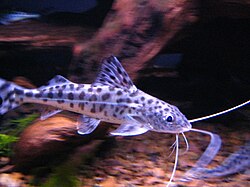
Curved or curled bodies in Pictus Catfish are often a sign of serious health issues, such as parasites, infections, or malnutrition. This condition can be life-threatening and requires immediate attention. Owners should first ensure the tank conditions are optimal for this species.
Pictus Catfish Curled Body: Common Causes
Parasites
Most LikelyCommon parasites like Ichthyophthirius multifiliis can cause spinal curvature.
Bacterial Infections
Most LikelyInfections such as Columnaris can lead to curvature due to tissue damage.
Malnutrition
PossibleLack of essential nutrients can result in poor muscle development and body curvature.
Stress
PossibleStressful tank conditions or aggressive tankmates can lead to abnormal body postures.
Genetic Defects
Less CommonRarely, congenital defects may be the cause of the curved body.
How to Diagnose the Cause
Follow these steps in order. Stop when you identify a likely cause and move to treatment.
- Inspect the fish for external parasites or signs of injury.
Look for white spots, spots with a halo, or slime patches.
Recommended: magnifying glass - Check the fish's gills for signs of infection, such as redness or clumping.
Use a magnifying glass to examine the gills closely.
Recommended: magnifying glass - Evaluate the water quality, including ammonia, nitrite, and nitrate levels.
Use test kits to measure these parameters.
Recommended: water test kit - Assess the diet and ensure it meets the nutritional requirements of Pictus Catfish.
Provide a varied diet with high-quality catfish-specific foods.
- Check for signs of stress or aggression in the tank environment.
Observe tankmates and water flow to rule out stress-related causes.
How to Treat Pictus Catfish Curled Body
- Perform a partial water change to improve water quality.
Change 20-30% of the water weekly.
- Administer appropriate medications for parasites or infections, following the vet's instructions.
Use treatments like metronidazole or praziquantel.
- Adjust the diet to include more protein and vitamins, such as vitamin B12 and omega-3 fatty acids.
Use high-quality catfish-specific foods and supplements.
- Reduce stress by ensuring adequate space, hiding spots, and reducing aggression among tankmates.
Reevaluate tank setup and consider using water flow controllers.
- Monitor the fish's response to treatment and adjust the plan as necessary.
Regularly check for improvement in body posture and overall health.
How to Prevent Pictus Catfish Curled Body
When to See a Vet
🔬 AI Symptom Checker
Not sure what's wrong? Describe your fish's symptoms to the FishCare AI and get an instant diagnosis.
Check Symptoms →Frequently Asked Questions
This guide was reviewed for biological accuracy and practical aquarium care guidance. Always test water parameters before treating a sick fish — poor water quality is the most common root cause. Consult an aquatic veterinarian if symptoms persist after 48 hours of correct treatment.
Sources: Merck Veterinary Manual — Aquarium Fishes · UF/IFAS Extension — Fish Health Management