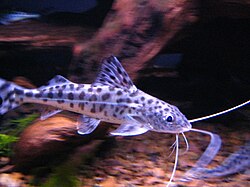
Cloudy eyes in Pictus Catfish are often a sign of bacterial or parasitic infections, which can be serious if not treated promptly. These infections can be caused by poor water quality, stress, or inadequate diet. Owners should first ensure the water parameters are optimal and the fish is receiving a balanced diet.
Pictus Catfish Cloudy Eyes: Common Causes
Bacterial Infections
Most LikelyCaused by Gram-negative bacteria, such as Aeromonas or Pseudomonas, often due to stress or poor water quality.
Parasitic Infections
Most LikelyCaused by parasites like Ichthyophthirius multifiliis, leading to the formation of a white film over the eyes.
Poor Water Quality
Most LikelyHigh ammonia or nitrite levels can lead to stress and weaken the fish's immune system, making them susceptible to infections.
Stress
PossibleStress due to aggression, overcrowding, or rapid changes in water parameters can weaken the fish's immune system, allowing infections to take hold.
Dietary Deficiencies
Less CommonA lack of essential nutrients can weaken the immune system, making the fish more prone to infections.
How to Diagnose the Cause
Follow these steps in order. Stop when you identify a likely cause and move to treatment.
- Observe the fish's behavior and appearance for signs of stress or infection.
Look for signs such as loss of appetite, clamped fins, or erratic swimming patterns.
- Check the water parameters for ammonia, nitrite, nitrate, pH, and temperature.
Use a reliable test kit to ensure the water quality is within the optimal range for Pictus Catfish.
Recommended: Water test kit - Inspect the fish's eyes for any milky appearance, cloudiness, or white film.
Use a magnifying glass if necessary to see the eyes clearly.
Recommended: Magnifying glass - Consider the fish's history, including recent changes in diet, tank mates, or water parameters.
This information can help narrow down the potential causes.
- If possible, perform a physical examination using a microscope to look for parasites or bacteria.
This step is typically done by a veterinarian.
Recommended: Microscope
How to Treat Pictus Catfish Cloudy Eyes
- Improve water quality by reducing ammonia and nitrite levels, and ensuring proper filtration.
Regular water changes and monitoring are crucial.
- Administer appropriate antibiotics or anti-parasitic medications as directed by a veterinarian.
Follow the vet's instructions closely to avoid resistance and side effects.
- Isolate the affected fish to prevent the spread of infection to other tank mates.
This is especially important if the cause is a bacterial or parasitic infection.
- Consider using a UV sterilizer or ozone treatment to kill pathogens in the water.
Consult with a vet before implementing these treatments.
- Ensure a balanced diet rich in vitamins and minerals to support the fish's immune system.
Consider supplementing with vitamins or a varied diet if necessary.
How to Prevent Pictus Catfish Cloudy Eyes
When to See a Vet
🔬 AI Symptom Checker
Not sure what's wrong? Describe your fish's symptoms to the FishCare AI and get an instant diagnosis.
Check Symptoms →Frequently Asked Questions
This guide was reviewed for biological accuracy and practical aquarium care guidance. Always test water parameters before treating a sick fish — poor water quality is the most common root cause. Consult an aquatic veterinarian if symptoms persist after 48 hours of correct treatment.
Sources: Merck Veterinary Manual — Aquarium Fishes · UF/IFAS Extension — Fish Health Management