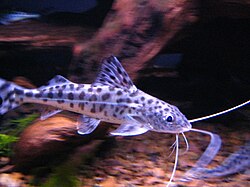
Bulging eyes in Pictus Catfish, also known as Popeye, is a serious condition often caused by ammonia or nitrite poisoning, leading to rapid deterioration. It can be life-threatening and requires immediate intervention. Owners should closely monitor water parameters and address underlying issues promptly.
Pictus Catfish Bulging Eyes (Popeye): Common Causes
Ammonia/Nitrite Poisoning
Most LikelyHigh ammonia or nitrite levels can cause the blood vessels in the eyes to swell, leading to bulging. This is a high-risk factor for Pictus Catfish due to their sensitivity to water quality.
Poor Water Quality
Most LikelyChronic exposure to low oxygen levels or high ammonia/nitrite levels can stress the fish, causing eye bulging.
Physical Injury
PossibleA collision with an object or another fish can cause bruising or bleeding around the eye socket, leading to bulging. This is a medium-risk factor.
Genetic Disorders
Less CommonIn some cases, genetic factors may contribute to eye bulging, especially if it occurs in young fish. This is a low-risk factor.
How to Diagnose the Cause
Follow these steps in order. Stop when you identify a likely cause and move to treatment.
- Observe the fish's behavior and appearance for signs of stress or injury.
Look for signs of fin nipping, reduced appetite, or visible injuries.
- Test the water for ammonia, nitrite, and nitrate levels.
Use a reliable water testing kit to check these parameters.
Recommended: Water testing kit - Check the water temperature and pH to ensure they are within the optimal range for Pictus Catfish.
Maintain temperature at 24–27°C and pH at 6.0–7.0.
- Inspect the tank for any visible stressors, such as rough tank surfaces or aggressive tankmates.
Address any potential stress factors immediately.
- Consider the age and health history of the fish, including any recent changes in diet or environment.
These factors can provide clues to the underlying cause.
How to Treat Pictus Catfish Bulging Eyes (Popeye)
- Immediate water changes are essential to reduce ammonia and nitrite levels.
Change 25% of the water daily until the levels are within safe limits.
- Add an ammonia binder or nitrate-reducing products to the tank to help alleviate symptoms.
Follow the product's instructions for dosage.
- Ensure proper aeration and filter flow to maintain adequate oxygen levels in the water.
Check and clean filters regularly.
- Remove any visible stressors from the tank and consider introducing more hiding spots.
This can help prevent further injury and stress.
- Monitor the fish closely for any improvement and continue treatment as needed.
If symptoms persist, consult a veterinarian experienced with aquatic pets.
How to Prevent Pictus Catfish Bulging Eyes (Popeye)
When to See a Vet
🔬 AI Symptom Checker
Not sure what's wrong? Describe your fish's symptoms to the FishCare AI and get an instant diagnosis.
Check Symptoms →Frequently Asked Questions
This guide was reviewed for biological accuracy and practical aquarium care guidance. Always test water parameters before treating a sick fish — poor water quality is the most common root cause. Consult an aquatic veterinarian if symptoms persist after 48 hours of correct treatment.
Sources: Merck Veterinary Manual — Aquarium Fishes · UF/IFAS Extension — Fish Health Management