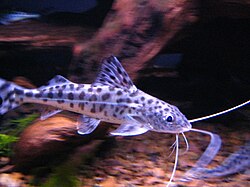
Black spots on Pictus Catfish, Pimelodus pictus, often indicate parasitic infections, stress, or poor water quality. This condition can be serious if not addressed promptly, and owners should monitor for signs of decline. Immediate attention is needed if spots increase in size or number.
Pictus Catfish Black Spots: Common Causes
Parasites
Most LikelyIchthyophthirius multifiliis, known as ich, is a common cause of black spots in Pictus Catfish.
Stress
PossibleHigh stress levels due to overcrowding, poor water conditions, or aggressive tankmates can lead to spots.
Poor Water Quality
Most LikelyAmmonia, nitrite, and nitrate levels that exceed the Pictus Catfish's optimal range can cause stress and lead to spots.
How to Diagnose the Cause
Follow these steps in order. Stop when you identify a likely cause and move to treatment.
- Inspect the fish for the presence of spots, and note their location and size.
This will help determine the cause of the spots.
- Check the water parameters for ammonia, nitrite, and nitrate levels.
Use a reliable test kit to measure these parameters.
Recommended: Water Test Kit - Observe the fish's behavior and appearance for other signs of stress or illness.
This can provide additional clues to the underlying cause.
- Inspect the tank for any visible parasites or signs of infestation.
Use a magnifying glass to search for small parasites.
Recommended: Magnifying Glass - Review the diet and tank conditions to ensure they meet the Pictus Catfish's needs.
Nutrition and environment play a crucial role in the fish's health.
How to Treat Pictus Catfish Black Spots
- Perform a partial water change to lower ammonia and nitrite levels.
Replace 20-30% of the tank water weekly.
- Treat the tank with an appropriate anti-parasitic medication, following the manufacturer's instructions.
This may involve adding medication to the tank or using a quarantine tank.
- Remove any aggressive tankmates or overcrowding that may be causing stress.
Provide a calm environment for the Pictus Catfish.
- Feed a high-quality diet rich in vitamins and minerals to support the fish's immune system.
This can help the fish fight off infections.
- Monitor the fish's progress and continue treatment as needed.
Spot healing may take several weeks.
How to Prevent Pictus Catfish Black Spots
When to See a Vet
🔬 AI Symptom Checker
Not sure what's wrong? Describe your fish's symptoms to the FishCare AI and get an instant diagnosis.
Check Symptoms →Frequently Asked Questions
This guide was reviewed for biological accuracy and practical aquarium care guidance. Always test water parameters before treating a sick fish — poor water quality is the most common root cause. Consult an aquatic veterinarian if symptoms persist after 48 hours of correct treatment.
Sources: Merck Veterinary Manual — Aquarium Fishes · UF/IFAS Extension — Fish Health Management