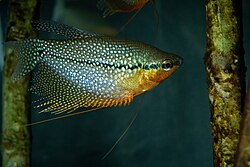
White spots on a Pearl Gourami, caused by Ichthyophthirius multifiliis, are a serious issue. This disease can lead to rapid decline and even death if not treated promptly. It's crucial to identify the cause and begin treatment immediately to save your fish.
Pearl Gourami White Spots (Ich): Common Causes
Poor Water Quality
Most LikelyHigh ammonia or nitrite levels can stress the fish, making them more susceptible to Ich.
New Tank Syndrome
Most LikelyNewly established tanks may lack beneficial bacteria, leading to sudden Ich outbreaks.
Overcrowding
Most LikelyCrowded tanks can lead to increased stress and a higher risk of Ich.
Introduction of Infected Fish
PossibleIch can be introduced to a tank through an infected fish, even if it's asymptomatic.
Poor Diet
Less CommonA diet low in essential nutrients can weaken the immune system, increasing the risk of Ich.
How to Diagnose the Cause
Follow these steps in order. Stop when you identify a likely cause and move to treatment.
- Observe the fish for symptoms such as loss of appetite, clamped fins, or erratic swimming.
Check for white spots resembling salt grains on the body and fins.
- Perform a water test to check ammonia, nitrite, and nitrate levels.
Ensure the pH and temperature are within the recommended range.
Recommended: Water test kit - Consider the tank's environment, recent changes, and other fish for potential causes.
Check for other signs of stress or disease in tankmates.
- Observe for the presence of the Ichthyophthirius multifiliis parasite under a microscope if possible.
This is a more advanced step and may require a veterinarian's assistance.
Recommended: Microscope - Rule out other diseases or parasites with similar symptoms.
Consult a vet for differential diagnosis.
How to Treat Pearl Gourami White Spots (Ich)
- Increase the tank's temperature to 28°C to slow the growth of the Ich parasite.
Maintain this temperature for at least 2 weeks.
- Perform 30% water changes daily, using dechlorinated water, to reduce the load of the parasite and maintain good water quality.
This helps to manage ammonia and nitrite levels.
- Treat the tank with an Ich-specific medication as directed on the product label.
Follow the recommended dosage and treatment duration.
- Remove any filter media that may harbor the parasite, and replace it with new media after treatment.
This helps to prevent re-infection.
- Monitor the fish closely during treatment and ensure they are eating and showing signs of improvement.
Adjust the treatment plan as necessary based on the fish's response.
How to Prevent Pearl Gourami White Spots (Ich)
When to See a Vet
🔬 AI Symptom Checker
Not sure what's wrong? Describe your fish's symptoms to the FishCare AI and get an instant diagnosis.
Check Symptoms →Frequently Asked Questions
This guide was reviewed for biological accuracy and practical aquarium care guidance. Always test water parameters before treating a sick fish — poor water quality is the most common root cause. Consult an aquatic veterinarian if symptoms persist after 48 hours of correct treatment.
Sources: Merck Veterinary Manual — Aquarium Fishes · UF/IFAS Extension — Fish Health Management