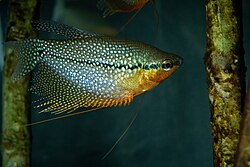
Losing color in Pearl Gouramis, known for their elegant pearl-like spots, can be due to stress, poor diet, or health issues. It is a concern that should be monitored closely. Owners should first rule out basic water parameters before considering more serious health problems.
Pearl Gourami Losing Color: Common Causes
Poor Diet
Most LikelyInsufficient nutrition or unbalanced feeding can lead to fading colors.
Stress
Most LikelyAquarium environment stress, such as aggressive tank mates, loud noises, or inadequate hiding spots, can cause color loss.
Water Quality
Most LikelyUnsuitable water conditions, like incorrect temperature or pH, can stress the fish and result in color loss.
Parasites
PossibleParasitic infections, such as ich, can cause discoloration.
Genetic Factors
Less CommonIn some cases, natural genetic predispositions can affect coloration.
How to Diagnose the Cause
Follow these steps in order. Stop when you identify a likely cause and move to treatment.
- Check water parameters including temperature, pH, and ammonia/nitrite/nitrate levels.
Ensure water quality is within the ideal range for Trichopodus leerii.
Recommended: test kit - Observe fish behavior and appearance for signs of external parasites or internal disease.
Look for any physical damage, spots, or abnormal behavior.
- Inspect the aquarium for signs of aggression or stressors like loud noises or poor tank conditions.
Stress can be a silent factor in color loss.
- Review recent dietary changes or the diet's diversity.
Ensure the diet is rich in variety and balanced with appropriate vitamins and minerals.
- Consider the age and overall health of the fish, as age and general condition can influence coloration.
Older fish may naturally show less vibrant colors.
How to Treat Pearl Gourami Losing Color
- Improve water quality by carrying out a 20-30% water change, adjusting temperature if necessary, and maintaining a consistent pH level.
Create a stress-free environment by providing adequate hiding spots and ensuring gentle tank flow.
- Gradually adjust the diet to include more colorful and nutrient-rich foods, such as spirulina and brine shrimp.
Vary the diet to ensure all nutritional needs are met.
- If external parasites are present, treat with an appropriate medication, following instructions carefully.
Be cautious not to harm beneficial bacteria in the tank.
- In case of internal disease, seek professional advice for proper diagnosis and treatment.
This may involve using internal medication or consulting a veterinarian.
- Reduce stress by removing aggressive tank mates and creating a serene environment with subdued lighting and peaceful tankmates.
Consider using water conditioners to reduce stress caused by chlorine or other chemicals in tap water.
How to Prevent Pearl Gourami Losing Color
When to See a Vet
🔬 AI Symptom Checker
Not sure what's wrong? Describe your fish's symptoms to the FishCare AI and get an instant diagnosis.
Check Symptoms →Frequently Asked Questions
This guide was reviewed for biological accuracy and practical aquarium care guidance. Always test water parameters before treating a sick fish — poor water quality is the most common root cause. Consult an aquatic veterinarian if symptoms persist after 48 hours of correct treatment.
Sources: Merck Veterinary Manual — Aquarium Fishes · UF/IFAS Extension — Fish Health Management