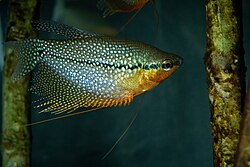
Fin rot in Pearl Gourami (Trichopodus leerii) is a serious bacterial infection that can lead to severe stress and, if left untreated, death. It typically occurs due to poor water quality, stress, or injury, and can spread rapidly among fish. Owners should immediately address the underlying issues to prevent further harm.
Pearl Gourami Fin Rot: Common Causes
Poor Water Quality
Most LikelyHigh levels of ammonia, nitrite, or nitrate, as well as imbalances in pH, can lead to fin rot.
Injury or Trauma
PossiblePhysical damage from tank mates or collisions can create entry points for bacteria.
Stress
PossibleStress from overcrowding, aggression, or rapid changes in environment can weaken the fish's immune system.
Poor Diet
Less CommonInsufficient nutrition can weaken the fish's immune system, making them more susceptible to fin rot.
How to Diagnose the Cause
Follow these steps in order. Stop when you identify a likely cause and move to treatment.
- Inspect the fish's fins for signs of deterioration, discoloration, or ragged edges.
This can be done with a magnifying glass to observe the fine details.
Recommended: null - Check the tank water parameters for ammonia, nitrite, and nitrate levels.
Use a water test kit to measure these parameters.
Recommended: Water test kit - Observe the fish's overall behavior and appearance for signs of stress or other health issues.
Changes in appetite, color, or swimming patterns can indicate stress.
Recommended: null - Inspect the tank for any signs of injury or aggression among the fish.
Physical damage or fighting can lead to open wounds.
Recommended: null - Evaluate the fish's diet and ensure it is balanced and nutritionally complete.
Feed a varied diet including high-quality flake food and live or frozen foods.
Recommended: null
How to Treat Pearl Gourami Fin Rot
- Increase the frequency of water changes, removing 20-30% of the water each time to reduce ammonia and nitrite levels.
Water changes should be done in a separate container to avoid stress.
- Add an antibacterial treatment to the tank, following the manufacturer's instructions.
Common treatments include formalin or malachite green.
- Ensure the tank water maintains optimal temperature, pH, and ammonia/nitrite/nitrate levels.
Use a water testing kit to monitor these parameters regularly.
- Remove any sources of stress, such as aggressive tank mates or overcrowding.
Provide ample space and consider a larger tank if necessary.
- Feed a high-quality diet rich in vitamins and minerals to support the fish's immune system.
Specialized immune-boosting foods can also be beneficial.
How to Prevent Pearl Gourami Fin Rot
When to See a Vet
🔬 AI Symptom Checker
Not sure what's wrong? Describe your fish's symptoms to the FishCare AI and get an instant diagnosis.
Check Symptoms →Frequently Asked Questions
This guide was reviewed for biological accuracy and practical aquarium care guidance. Always test water parameters before treating a sick fish — poor water quality is the most common root cause. Consult an aquatic veterinarian if symptoms persist after 48 hours of correct treatment.
Sources: Merck Veterinary Manual — Aquarium Fishes · UF/IFAS Extension — Fish Health Management