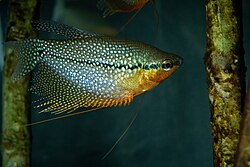
A bloated or swollen Pearl Gourami can be a sign of serious health issues. This condition is urgent and requires immediate attention. It may be caused by internal bloating, parasites, or bacterial infections. Owners should closely monitor the fish's behavior and environment before seeking professional help.
Pearl Gourami Bloated or Swollen: Common Causes
Internal Bloating
Most LikelyDue to overfeeding or a buildup of gas in the digestive tract.
Bacterial Infection
Most LikelyCaused by poor water quality or stress, leading to a systemic infection.
Parasites
PossibleInfestation by parasites such as monogenetic trematodes or Ichthyophthirius multifiliis.
Kidney Disease
PossibleChronic kidney issues can lead to fluid retention and bloating.
Stress or Injury
Less CommonPhysical trauma or stress can cause swelling as a defensive mechanism.
How to Diagnose the Cause
Follow these steps in order. Stop when you identify a likely cause and move to treatment.
- Inspect the fish for signs of injury or external parasites.
Check for any cuts, abrasions, or spots on the body.
- Perform a water quality test to check for ammonia, nitrite, and nitrate levels.
Use a reliable test kit to ensure the water parameters are within the ideal range.
Recommended: Water test kit - Observe the fish's diet and feeding habits.
Ensure the fish is not overfed and is receiving a balanced diet.
- Consider the fish's environment, including tank size, temperature, and tankmates.
Ensure the tank is spacious, the temperature is stable, and the tankmates are compatible.
- Examine the fish for signs of internal bloating by gently pressing on the abdomen.
Do this while the fish is resting on the substrate to avoid stress.
How to Treat Pearl Gourami Bloated or Swollen
- Increase the frequency of water changes to improve water quality.
Change 25-30% of the water every 2-3 days.
- Feed a low-residue diet and avoid overfeeding.
Use easily digestible foods and reduce the amount of food offered.
- Consider using an antibiotic like erythromycin or metronidazole for bacterial infections.
Follow the dosage instructions and treatment duration provided by the vet.
- If parasites are suspected, treat with an appropriate medication like fenbendazole or praziquantel.
Ensure the treatment is suitable for freshwater fish and compatible with the tank's other inhabitants.
- Monitor the fish's progress closely and adjust the treatment as needed.
Keep a close eye on the fish's response to the treatment and seek veterinary advice if the condition worsens.
How to Prevent Pearl Gourami Bloated or Swollen
When to See a Vet
🔬 AI Symptom Checker
Not sure what's wrong? Describe your fish's symptoms to the FishCare AI and get an instant diagnosis.
Check Symptoms →Frequently Asked Questions
This guide was reviewed for biological accuracy and practical aquarium care guidance. Always test water parameters before treating a sick fish — poor water quality is the most common root cause. Consult an aquatic veterinarian if symptoms persist after 48 hours of correct treatment.
Sources: Merck Veterinary Manual — Aquarium Fishes · UF/IFAS Extension — Fish Health Management