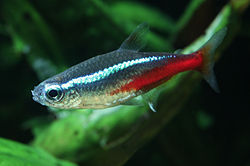
Sunken belly in Neon Tetras, a common physical problem, often indicates serious internal issues. It's crucial to act quickly as it can be life-threatening. Owners should consider the fish's diet, water quality, and overall environment.
Neon Tetra Sunken Belly: Common Causes
Poor Diet
Most LikelyInadequate nutrition can lead to malnutrition and internal organ failure.
Water Quality Issues
Most LikelyHigh ammonia or nitrite levels can cause internal damage and lead to sunken belly.
Bacterial Infections
PossibleInfections, particularly those caused by Aeromonas, can lead to internal swelling and sunken belly.
Internal Parasites
PossibleParasitic infections can cause malabsorption and internal damage, leading to sunken belly.
Genetic Disorders
Less CommonRarely, sunken belly can be genetic, affecting the fish's ability to process nutrients properly.
How to Diagnose the Cause
Follow these steps in order. Stop when you identify a likely cause and move to treatment.
- Observe the fish's swimming pattern and feeding behavior.
Look for signs of lethargy, loss of appetite, or difficulty swimming.
- Perform a water test for ammonia, nitrite, and nitrate levels.
High ammonia or nitrite can indicate a problem with the filter or overfeeding.
Recommended: Water test kit - Examine the fish for external signs of infection or parasites.
Look for lesions, spots, or any abnormal growths.
- Check the fish's diet to ensure it's balanced and not overfeeding.
Feeding the right balance of food is crucial for maintaining health.
- Consider the fish's genetic background if sunken belly appears without other causes.
Genetic predispositions should be considered in long-term health management.
How to Treat Neon Tetra Sunken Belly
- Improve water quality by changing 25% of the tank water daily.
This will help reduce ammonia and nitrite levels and maintain a healthy environment.
- Remove any uneaten food from the tank to prevent overfeeding.
Overfeeding can lead to poor water quality and additional health issues.
- Administer appropriate medication if bacterial or parasitic infections are present.
Follow the vet's instructions for the correct dosage and treatment duration.
- Provide a varied and balanced diet with high-quality food to support overall health.
Ensure the diet meets the nutritional needs of Neon Tetras.
- Monitor the fish closely and consult a vet if the condition does not improve within a few days.
Early intervention is key to recovery and preventing further complications.
How to Prevent Neon Tetra Sunken Belly
When to See a Vet
🔬 AI Symptom Checker
Not sure what's wrong? Describe your fish's symptoms to the FishCare AI and get an instant diagnosis.
Check Symptoms →Frequently Asked Questions
This guide was reviewed for biological accuracy and practical aquarium care guidance. Always test water parameters before treating a sick fish — poor water quality is the most common root cause. Consult an aquatic veterinarian if symptoms persist after 48 hours of correct treatment.
Sources: Merck Veterinary Manual — Aquarium Fishes · UF/IFAS Extension — Fish Health Management