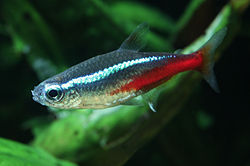
Spots on fins in Neon Tetras are often a sign of ich (Ichthyophthirius multifiliis) or Velvet disease (Saprolegnia sp.), both of which are highly contagious and can be fatal if not treated promptly. It is crucial for owners to recognize the urgency and act quickly to prevent the spread to other fish. Understanding the causes and treatment is vital for the survival of these peaceful community fish.
Neon Tetra Spots on Fins: Common Causes
Ich (Ichthyophthirius multifiliis)
Most LikelyA highly contagious protozoan that causes spots on fins and body, accompanied by scratching and erratic swimming.
Velvet disease (Saprolegnia sp.)
Most LikelyA fungal infection that appears as a fluffy, velvet-like growth on the body and fins, causing fish to become lethargic and listless.
Poor water quality
PossibleAmmonia and nitrite levels can stress the fish, leading to weakened immune systems and vulnerability to infections.
Inadequate diet
PossibleLack of essential nutrients can weaken the fish's immune system, making it more susceptible to diseases.
Stress
Less CommonStress from tank overcrowding, water temperature fluctuations, or sudden changes in the environment can weaken the fish's immune system.
How to Diagnose the Cause
Follow these steps in order. Stop when you identify a likely cause and move to treatment.
- Inspect the affected fish for the presence of spots on the fins and body, and observe for scratching or erratic swimming.
Look for the characteristic pin-point or larger spots on the fin tissue.
- Check the water parameters for ammonia, nitrite, and nitrate levels.
Use a test kit to measure these levels, ensuring they are within the optimal range for Neon Tetras.
Recommended: Water test kit - Observe the overall behavior and appearance of the fish to identify any other signs of disease or stress.
Note any changes in appetite, coloration, or behavior that may indicate additional health issues.
- If the cause is unclear, consider consulting with a vet who specializes in fish health for a more accurate diagnosis.
A vet may be able to perform additional tests or identify less common causes of spots on fins.
- Review the recent changes in the tank or diet to identify any potential stressors for the fish.
Changes in water quality, diet, or tank mates can all contribute to the onset of spots on fins.
How to Treat Neon Tetra Spots on Fins
- Perform a 50% water change to remove ammonia and nitrite, and replace with dechlorinated water.
This will help improve water quality and reduce stress on the fish.
- Add an ich treatment to the tank, following the manufacturer's instructions.
Common treatments include formalin, malachite green, or potassium permanganate. However, always consult with a vet before using chemicals.
- If velvet disease is present, use a broad-spectrum fungicide that is safe for freshwater aquariums.
Follow the treatment instructions carefully and monitor the fish's response to the treatment.
- Remove any dead plants or decorations that may be harboring the causative organisms.
These items can be a source of reinfection and should be thoroughly cleaned or discarded.
- Isolate the affected fish to prevent the spread of the disease to other tank mates.
This will help control the infection and prevent further complications.
How to Prevent Neon Tetra Spots on Fins
When to See a Vet
🔬 AI Symptom Checker
Not sure what's wrong? Describe your fish's symptoms to the FishCare AI and get an instant diagnosis.
Check Symptoms →Frequently Asked Questions
This guide was reviewed for biological accuracy and practical aquarium care guidance. Always test water parameters before treating a sick fish — poor water quality is the most common root cause. Consult an aquatic veterinarian if symptoms persist after 48 hours of correct treatment.
Sources: Merck Veterinary Manual — Aquarium Fishes · UF/IFAS Extension — Fish Health Management