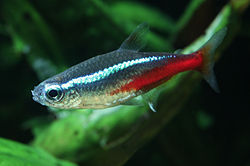
Neon Tetras sinking to the bottom is a critical sign of illness, often indicating internal or external health issues. This behavior can be life-threatening and requires immediate attention. Owners should first assess the water quality and diet before seeking professional help.
Neon Tetra Sinking to Bottom: Common Causes
Poor Water Quality
Most LikelyHigh ammonia or nitrite levels can stress the fish, leading to sinking behavior.
Internal Parasites
Most LikelyParasites like ich or flukes can cause internal damage, making the fish unable to swim properly.
Poor Diet
PossibleA lack of proper nutrition can weaken the fish, causing it to sink to the bottom.
Stress
PossibleSudden changes in water parameters or tank environment can stress the fish, leading to sinking behavior.
Old Age
Less CommonIn older tetras, sinking behavior can be a sign of natural aging and reduced vitality.
How to Diagnose the Cause
Follow these steps in order. Stop when you identify a likely cause and move to treatment.
- Check the water parameters for ammonia, nitrite, nitrate, pH, and temperature.
Use a test kit to ensure the water is within the ideal range for Neon Tetras.
Recommended: Water test kit - Inspect the fish for external parasites or signs of injury.
Look for any spots, spots, or other abnormalities on the fish's body.
- Observe the fish's swimming patterns and behavior.
A healthy Neon Tetra should swim actively and in a school. Sudden changes in behavior can indicate illness.
- Examine the fish's fins and mouth for signs of fin rot or mouth fungus.
These can be symptoms of bacterial infections that may cause sinking behavior.
- Consider the fish's age and overall health history.
Older tetras may exhibit sinking behavior due to natural aging.
How to Treat Neon Tetra Sinking to Bottom
- Improve water quality by performing regular water changes and using water conditioners to remove harmful chemicals.
Change 25-50% of the tank water weekly.
- Treat for internal parasites with a suitable medication as directed by a veterinarian.
Follow the dosage and treatment duration strictly.
- Ensure the fish is receiving a balanced diet rich in vitamins and minerals.
Feed high-quality flakes or pellets and supplement with live or frozen foods if necessary.
- Reduce stress by maintaining a stable environment and avoiding sudden changes in water parameters or tank decorations.
Keep the tank quiet and consistent.
- If the fish is very old, provide a comfortable environment and monitor for any signs of improvement or decline.
Older tetras may not respond to treatment as effectively.
How to Prevent Neon Tetra Sinking to Bottom
When to See a Vet
🔬 AI Symptom Checker
Not sure what's wrong? Describe your fish's symptoms to the FishCare AI and get an instant diagnosis.
Check Symptoms →Frequently Asked Questions
This guide was reviewed for biological accuracy and practical aquarium care guidance. Always test water parameters before treating a sick fish — poor water quality is the most common root cause. Consult an aquatic veterinarian if symptoms persist after 48 hours of correct treatment.
Sources: Merck Veterinary Manual — Aquarium Fishes · UF/IFAS Extension — Fish Health Management