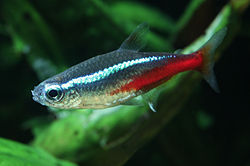
Red streaks on Neon Tetras, a common freshwater species, are a sign of serious internal bleeding, often due to stress or poor water quality. Immediate attention is crucial to prevent fatal outcomes. Owners must first understand the urgency of the situation and the importance of maintaining optimal water parameters for these peaceful, community fish.
Neon Tetra Red Streaks on Body: Common Causes
Poor Water Quality
Most LikelyHigh levels of ammonia, nitrite, or nitrate can cause internal bleeding.
Stress
Most LikelyStress from overcrowding, aggression, or rapid changes in water parameters can lead to hemorrhaging.
Poor Diet
PossibleInadequate nutrition can weaken the fish's immune system, making it more susceptible to bleeding.
External Injuries
PossiblePhysical damage from fighting or collisions can cause bleeding.
Genetic Disorders
Less CommonRarely, genetic factors can lead to bleeding disorders.
How to Diagnose the Cause
Follow these steps in order. Stop when you identify a likely cause and move to treatment.
- Observe the fish's behavior and appearance for signs of stress or injury.
Look for signs of aggression, rapid breathing, or changes in swimming patterns.
- Test the water parameters for ammonia, nitrite, and nitrate levels.
Use a reliable test kit to ensure the water quality is within the Neon Tetra's optimal range.
Recommended: Water test kit - Inspect the fish for any external injuries or signs of fighting.
Check for cuts, fin nipping, or other physical damage.
- Consider the fish's diet and overall health history.
Assess if the fish has been receiving a balanced diet and if there have been any recent changes.
- Consult with a veterinarian experienced with aquatic species for a definitive diagnosis.
A vet can perform more advanced tests and provide specific treatment options.
How to Treat Neon Tetra Red Streaks on Body
- Improve water quality by performing regular water changes and maintaining optimal parameters.
Change 25-30% of the tank water weekly to remove toxins.
- Remove any aggressive tankmates or overcrowding issues to reduce stress.
Ensure the tank is spacious and the fish are not being bullied or overcrowded.
- Feed a high-quality diet rich in vitamins and minerals to support the fish's immune system.
Use a varied diet including flake food, frozen, and live foods.
- Administer antibiotics or antifungal treatments if prescribed by a veterinarian.
Follow the vet's instructions for dosage and duration.
- Monitor the fish closely for any signs of improvement or worsening of the condition.
Keep a daily log of the fish's behavior and appearance to inform treatment adjustments.
How to Prevent Neon Tetra Red Streaks on Body
When to See a Vet
🔬 AI Symptom Checker
Not sure what's wrong? Describe your fish's symptoms to the FishCare AI and get an instant diagnosis.
Check Symptoms →Frequently Asked Questions
This guide was reviewed for biological accuracy and practical aquarium care guidance. Always test water parameters before treating a sick fish — poor water quality is the most common root cause. Consult an aquatic veterinarian if symptoms persist after 48 hours of correct treatment.
Sources: Merck Veterinary Manual — Aquarium Fishes · UF/IFAS Extension — Fish Health Management