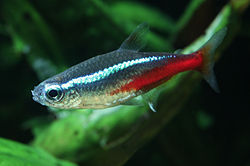
Neon Tetras are sensitive to oxygen levels and water quality, making gasping at the surface a critical sign of distress. This behavior indicates potential oxygen deprivation or gill damage, which can be life-threatening. Immediate action is required to address the underlying cause.
Neon Tetra Gasping at Surface: Common Causes
Low Oxygen Levels
Most LikelyInsufficient dissolved oxygen in the water can occur due to overstocking, poor aeration, or high temperatures.
Poor Water Quality
Most LikelyAmmonia, nitrite, and nitrate levels exceeding safe limits can stress the fish and impair gill function.
Gill Damage
PossiblePhysical injury to the gills can be caused by aggressive tank mates or rapid water changes.
Disease
PossibleInfections or parasites can affect the gills, leading to difficulty breathing.
Stress
Less CommonStress from tank mates, overcrowding, or sudden changes in environment can cause the fish to gasp for air.
How to Diagnose the Cause
Follow these steps in order. Stop when you identify a likely cause and move to treatment.
- Check the water parameters for ammonia, nitrite, and nitrate levels.
Use a test kit to measure these parameters and ensure they are within the safe range for Neon Tetras.
Recommended: Water test kit - Observe the fish for signs of injury or disease.
Look for any physical damage to the gills or other signs of illness, such as clamped fins or loss of appetite.
- Assess the tank environment for overcrowding or aggressive tank mates.
Evaluate the tank size and the behavior of other fish to rule out stress-related causes.
- Check the water temperature and aeration.
Ensure the water temperature is within the optimal range and the tank is well-aerated with an air stone or filter.
- Review recent changes to the tank or diet.
Consider any recent changes in the tank setup, water parameters, or diet that might have caused stress or harm to the fish.
How to Treat Neon Tetra Gasping at Surface
- Improve water quality by performing a 25% water change every 2-3 days until parameters are stable.
Use dechlorinated water and avoid using tap water to prevent shock to the fish.
- Add an airstone or increase aeration to increase oxygen levels.
Ensure the tank is well-oxygenated to support the fish's respiration.
- Remove any aggressive tank mates or overcrowding and provide more space for the fish to swim.
Create a peaceful environment to reduce stress and aggression.
- If gill damage is suspected, treat with an antibiotic or consult a vet for further advice.
Follow the vet's instructions for the appropriate treatment.
- Monitor the fish's behavior and health closely, and continue to maintain optimal water conditions.
Regularly check water parameters and observe the fish for any signs of improvement or recurrence of the problem.
How to Prevent Neon Tetra Gasping at Surface
When to See a Vet
🔬 AI Symptom Checker
Not sure what's wrong? Describe your fish's symptoms to the FishCare AI and get an instant diagnosis.
Check Symptoms →Frequently Asked Questions
This guide was reviewed for biological accuracy and practical aquarium care guidance. Always test water parameters before treating a sick fish — poor water quality is the most common root cause. Consult an aquatic veterinarian if symptoms persist after 48 hours of correct treatment.
Sources: Merck Veterinary Manual — Aquarium Fishes · UF/IFAS Extension — Fish Health Management