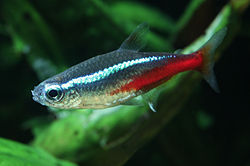
Fuzzy white growth on Neon Tetras, caused by fungal infections, is a serious condition that can lead to systemic disease. This problem can be exacerbated by stress, poor water quality, and overcrowding. Owners should quickly address the issue to prevent further health complications.
Neon Tetra Fuzzy Growth: Common Causes
Poor Water Quality
Most LikelyHigh levels of ammonia, nitrites, or nitrates can weaken the fish's immune system, making it more susceptible to fungal infections.
Overcrowding
Most LikelyStress from overcrowding can weaken the fish, making them more prone to fungal infections.
Inadequate Diet
PossibleA lack of a balanced diet can weaken the fish's immune system, increasing the risk of fungal infections.
Poor Tank Hygiene
PossibleUnsanitary tank conditions can harbor fungi, leading to infections when fish are stressed or weakened.
Introducing New Fish
Less CommonBringing in new fish without proper quarantine can introduce pathogens, including fungi, to the tank.
How to Diagnose the Cause
Follow these steps in order. Stop when you identify a likely cause and move to treatment.
- Inspect the fish for cotton-like white or grey growth on the body, mouth, or fins.
Look for the characteristic fungal growth that is often fluffy and may be present on the skin, gills, or fins.
- Check the water parameters for ammonia, nitrites, and nitrates.
Use a water test kit to measure these parameters, as high levels can indicate stress and weaken the fish's immune system.
Recommended: Water test kit - Observe the fish's behavior and overall health.
A healthy Neon Tetra should be active and have a clear, streamlined body. Changes in behavior or appearance can indicate stress or illness.
- Review the tank's maintenance routine and recent changes.
Consider any recent changes in the tank, such as new fish introductions or changes in water parameters.
- Consult a vet or aquatic expert if you are unsure of the diagnosis.
If the diagnosis is unclear or if the fish's condition worsens, it is important to seek professional help.
How to Treat Neon Tetra Fuzzy Growth
- Improve water quality by increasing water changes and maintaining optimal parameters.
Perform daily water changes of 25-30% and ensure the tank's filtration system is functioning properly.
- Remove the infected fish from the tank and treat it with an antifungal medication.
Use an antifungal medication specifically for aquarium use and follow the manufacturer's instructions.
- Disinfect the tank and any equipment that comes into contact with the fish.
Use an aquarium-safe disinfectant to clean the tank and equipment to prevent the spread of the infection.
- Consider using a UV sterilizer to treat the water in the tank.
UV sterilizers can help to kill pathogens in the water and reduce the risk of reinfection.
- Monitor the fish's recovery and continue treatment until the fungal growth has completely resolved.
Observe the fish for signs of improvement and continue treatment as directed by the vet or manufacturer until the problem is resolved.
How to Prevent Neon Tetra Fuzzy Growth
When to See a Vet
🔬 AI Symptom Checker
Not sure what's wrong? Describe your fish's symptoms to the FishCare AI and get an instant diagnosis.
Check Symptoms →Frequently Asked Questions
This guide was reviewed for biological accuracy and practical aquarium care guidance. Always test water parameters before treating a sick fish — poor water quality is the most common root cause. Consult an aquatic veterinarian if symptoms persist after 48 hours of correct treatment.
Sources: Merck Veterinary Manual — Aquarium Fishes · UF/IFAS Extension — Fish Health Management