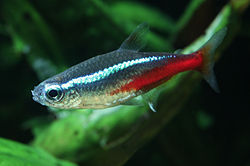
Floating at the surface in Neon Tetras is a critical sign indicating potential health issues. It can be life-threatening if not addressed promptly. Owners should first ensure the tank conditions are optimal for these peaceful, community fish.
Neon Tetra Floating at Surface: Common Causes
Poor Water Quality
Most LikelyHigh ammonia or nitrite levels can cause stress and lead to this behavior.
Inadequate Diet
PossibleLack of essential nutrients can weaken the fish, causing it to float at the surface.
Internal Disorders
Most LikelyConditions like swim bladder issues or infections can make the fish unable to swim normally.
Stress
PossibleChanges in the tank environment or aggression from tankmates can stress the fish and cause it to float.
Old Age
Less CommonAs Neon Tetras age, they may become less active and spend more time at the surface.
How to Diagnose the Cause
Follow these steps in order. Stop when you identify a likely cause and move to treatment.
- Check the water parameters
Test for ammonia, nitrite, nitrate, pH, and temperature. Use a water test kit.
Recommended: Water test kit - Observe the fish's appearance
Look for signs of disease such as spots, fin rot, or bloating.
- Assess the fish's behavior
Check if the fish is chasing or being chased, which may indicate stress.
- Evaluate the tank environment
Ensure the tank has adequate hiding spots and that the water flow is not too strong.
- Consider the fish's age
If the fish is very old, it may be normal for it to spend more time at the surface.
How to Treat Neon Tetra Floating at Surface
- Improve water quality
Perform water changes to reduce ammonia and nitrite levels, aiming for 25% every 2-3 days.
- Adjust the diet
Feed a balanced diet of high-quality flake food or frozen brine shrimp, ensuring it's appropriate for their age and size.
- Administer medication
If an infection is present, treat the tank with an appropriate medication. Consult with a vet for the correct dosage.
- Reduce stress
Remove aggressive tankmates or provide more hiding spots to reduce stress levels.
- Monitor the fish's response
Keep a close eye on the fish's progress and continue treatment as needed. Seek veterinary assistance if there is no improvement after 2-3 days of treatment.
How to Prevent Neon Tetra Floating at Surface
When to See a Vet
🔬 AI Symptom Checker
Not sure what's wrong? Describe your fish's symptoms to the FishCare AI and get an instant diagnosis.
Check Symptoms →Frequently Asked Questions
This guide was reviewed for biological accuracy and practical aquarium care guidance. Always test water parameters before treating a sick fish — poor water quality is the most common root cause. Consult an aquatic veterinarian if symptoms persist after 48 hours of correct treatment.
Sources: Merck Veterinary Manual — Aquarium Fishes · UF/IFAS Extension — Fish Health Management