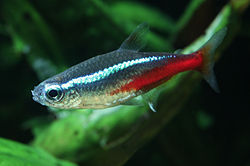
Fin rot in Neon Tetras is a serious bacterial infection that can lead to rapid deterioration if not treated promptly. It's crucial to identify the underlying cause, which is often due to poor water quality or stress, and to address it immediately to prevent further health issues.
Neon Tetra Fin Rot: Common Causes
Poor Water Quality
Most LikelyHigh levels of ammonia, nitrite, or nitrate can stress the fish and weaken its immune system, making it susceptible to fin rot.
Stressful Environment
PossibleStress from overcrowding, aggression, or rapid changes in water parameters can weaken the fish's immune system, leading to fin rot.
Poor Diet
Less CommonA diet lacking in essential nutrients can weaken the fish's immune system, making it more prone to infections like fin rot.
Physical Injury
PossibleInjuries to the fins can introduce bacteria, leading to fin rot, especially if the fish is kept in poor water conditions.
Poor Water Circulation
PossibleInadequate water flow can lead to areas of high ammonia concentration, which can stress the fish and contribute to fin rot.
How to Diagnose the Cause
Follow these steps in order. Stop when you identify a likely cause and move to treatment.
- Inspect the fish for signs of fin damage, such as ragged edges or discoloration.
Look for any visible damage to the fins, which may be the first sign of fin rot.
- Test the water parameters for ammonia, nitrite, and nitrate levels.
Use a water test kit to check these parameters, as elevated levels can indicate poor water quality.
Recommended: Water test kit - Observe the fish's behavior and environment for signs of stress or aggression.
Stress can weaken the fish's immune system, making it more susceptible to infections.
- Check the fish's diet and ensure it is balanced and nutritious.
A poor diet can contribute to weakened immune function and increased susceptibility to diseases.
- Consider any recent changes in the aquarium, such as new tankmates or water parameter fluctuations.
Changes can stress the fish and potentially lead to fin rot.
How to Treat Neon Tetra Fin Rot
- Improve water quality by performing regular water changes (25-30% weekly).
This helps remove harmful substances and maintain a healthy environment for the fish.
- Use an antibacterial treatment specifically designed for fin rot, following the manufacturer's instructions.
These treatments can help to kill the bacteria causing the infection.
- Ensure the tank has adequate hiding spots and territories to reduce stress and aggression.
Stress can weaken the fish's immune system and prolong healing.
- Monitor the fish's diet and provide a balanced, nutritious diet with high-quality food.
A healthy diet supports immune function and aids in recovery.
- If aggression persists, consider removing the aggressive tankmate or seeking advice from a veterinarian.
Aggression can lead to further stress and injury, delaying recovery.
How to Prevent Neon Tetra Fin Rot
When to See a Vet
🔬 AI Symptom Checker
Not sure what's wrong? Describe your fish's symptoms to the FishCare AI and get an instant diagnosis.
Check Symptoms →Frequently Asked Questions
This guide was reviewed for biological accuracy and practical aquarium care guidance. Always test water parameters before treating a sick fish — poor water quality is the most common root cause. Consult an aquatic veterinarian if symptoms persist after 48 hours of correct treatment.
Sources: Merck Veterinary Manual — Aquarium Fishes · UF/IFAS Extension — Fish Health Management