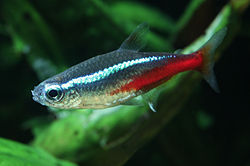
A bloated or swollen abdomen in Neon Tetras is a serious issue often indicating internal bloating, constipation, or parasitic infection. Immediate action is crucial to prevent further complications. Owners should first assess the fish's environment and diet before seeking professional veterinary advice.
Neon Tetra Bloated or Swollen: Common Causes
Internal Bloating
Most LikelyExcess gas or air in the fish's intestines, often due to overfeeding or poor diet.
Constipation
PossibleAccumulation of waste material in the intestines, possibly due to lack of appropriate diet or stress.
Parasitic Infection
PossibleInfections by parasites such as tapeworms or flukes can cause bloating.
Gastrointestinal Disease
Less CommonDiseases affecting the gastrointestinal tract can lead to bloating.
Pregnancy
Less CommonFemale Neon Tetras may become bloated due to pregnancy, but this is rare in males and young females.
How to Diagnose the Cause
Follow these steps in order. Stop when you identify a likely cause and move to treatment.
- Observe the fish's swimming pattern and appetite.
Check for any changes in behavior that might indicate discomfort or pain.
- Inspect the fish for external signs of parasites or injury.
Look for any visible parasites or wounds on the fish's body.
Recommended: magnifying glass - Check the fish's diet and water quality.
Ensure the fish is being fed a balanced diet and the water parameters are within the Neon Tetra's ideal range.
- Consider recent changes in the aquarium environment or tankmates.
Changes in the tank can stress fish and lead to health issues.
- If symptoms persist, consult a veterinarian experienced with fish health.
A professional can perform more advanced diagnostics and treatments.
How to Treat Neon Tetra Bloated or Swollen
- Adjust the diet to include more fiber and reduce protein intake.
This can help with digestion and reduce bloating.
- Increase the frequency of water changes and ensure good water quality.
This can help remove any toxins or parasites and reduce stress.
- Administer an appropriate medication for parasites if a diagnosis is confirmed.
Follow the vet's instructions for the correct dosage and treatment duration.
- If constipation is suspected, try fasting the fish for a day followed by a small, easy-to-digest meal.
This can help clear out the digestive tract.
- Monitor the fish's progress and continue with the treatment until symptoms resolve.
It's important to follow through with the treatment even if the fish appears to be recovering quickly.
How to Prevent Neon Tetra Bloated or Swollen
When to See a Vet
🔬 AI Symptom Checker
Not sure what's wrong? Describe your fish's symptoms to the FishCare AI and get an instant diagnosis.
Check Symptoms →Frequently Asked Questions
This guide was reviewed for biological accuracy and practical aquarium care guidance. Always test water parameters before treating a sick fish — poor water quality is the most common root cause. Consult an aquatic veterinarian if symptoms persist after 48 hours of correct treatment.
Sources: Merck Veterinary Manual — Aquarium Fishes · UF/IFAS Extension — Fish Health Management