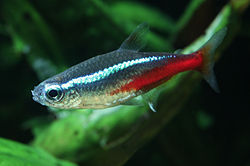
Suddenly aggressive behavior in Neon Tetras, while distressing, is often due to stress, overcrowding, or changes in their freshwater environment. It can be serious if it leads to injury, but early intervention can resolve the issue. Owners should first rule out basic environmental factors before considering more complex solutions.
Neon Tetra Aggressive: Common Causes
Stress from New Tank or Crowding
Most LikelyNeon Tetras are sensitive to changes in their tank, such as overcrowding or recent tank introductions. This stress can cause aggression.
Poor Water Quality
Most LikelyHigh ammonia, nitrite, or nitrate levels can stress Neon Tetras, leading to aggressive behavior.
Dietary Imbalance
PossibleA lack of essential nutrients or overfeeding can contribute to stress and aggression.
Sexual Maturity
PossibleMale Neon Tetras can become more aggressive as they reach sexual maturity, especially during spawning season.
Illness
Less CommonUnderlying health issues can also trigger aggression as fish react to their discomfort or pain.
How to Diagnose the Cause
Follow these steps in order. Stop when you identify a likely cause and move to treatment.
- Check the water parameters (pH, ammonia, nitrite, nitrate) using a test kit.
Ensure the water quality is within the Neon Tetra's optimal range.
Recommended: Water test kit - Observe the tank for signs of overcrowding or new tankmates.
Evaluate the tank's environment for any recent changes that may stress the fish.
- Inspect the fish for signs of injury or illness.
Look for any physical signs of discomfort that could contribute to aggressive behavior.
- Assess the diet for adequacy and consistency.
Ensure the diet is balanced and that the fish are not being overfed.
- Monitor the tank for signs of bullying or aggression during feeding times.
Neon Tetras can become more aggressive around food, so watch for this behavior.
How to Treat Neon Tetra Aggressive
- Improve water quality by performing water changes and adjusting the filtration system.
Maintain a stable water quality as per Neon Tetra requirements.
- Reduce tank overcrowding by removing aggressive individuals or adding more space.
Ensure the tank can comfortably accommodate the fish.
- Adjust the diet by offering high-quality flakes and providing additional feeding times to reduce competition.
Feeding smaller, more frequent meals can prevent aggressive behavior around food.
- Remove any tank decorations that may be causing the fish to feel trapped or threatened.
Creating a more open and less stressful environment can help calm the fish.
- In case of sexual maturity-related aggression, separate the fish into groups of same sex, if possible.
Avoiding spawning conditions can reduce aggressive behavior among males.
How to Prevent Neon Tetra Aggressive
When to See a Vet
🔬 AI Symptom Checker
Not sure what's wrong? Describe your fish's symptoms to the FishCare AI and get an instant diagnosis.
Check Symptoms →Frequently Asked Questions
This guide was reviewed for biological accuracy and practical aquarium care guidance. Always test water parameters before treating a sick fish — poor water quality is the most common root cause. Consult an aquatic veterinarian if symptoms persist after 48 hours of correct treatment.
Sources: Merck Veterinary Manual — Aquarium Fishes · UF/IFAS Extension — Fish Health Management