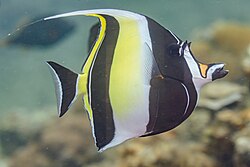
White spots on a Moorish Idol, caused by Ichthyophthirius multifiliis, are a serious condition due to their rapid spread and impact on the fish's health. This disease can lead to secondary infections and even death if not treated promptly. Owners must be aware of the urgency and the specific care requirements of this advanced species.
Moorish Idol White Spots (Ich): Common Causes
Poor Water Quality
Most LikelyAmmonia, nitrite, and nitrate levels can stress the fish, making them more susceptible to Ich.
New Tank Syndrome
Most LikelyNewly established tanks may lack beneficial bacteria, leading to an imbalance in the nitrogen cycle and stress on the fish.
Stress
PossibleStress from handling, tank mates, or water parameters can weaken the fish's immune system, facilitating the spread of Ich.
Poor Diet
PossibleInadequate nutrition can weaken the fish's immune system, making it more prone to Ich.
Introducing New Fish
Less CommonBringing in new fish can introduce Ich to the tank if they are already infected.
How to Diagnose the Cause
Follow these steps in order. Stop when you identify a likely cause and move to treatment.
- Observe the fish for the presence of white spots on the body and fins.
These spots are characteristic of Ich and can be easily seen under a magnifying glass.
Recommended: magnifying glass - Check for other signs of stress or disease, such as loss of appetite or clamped fins.
These symptoms can accompany Ich and help confirm the diagnosis.
- Consider the tank history and recent changes, such as new fish or water changes.
These factors can contribute to the onset of Ich and help in identifying the cause.
- Perform a water test to check for ammonia, nitrite, and nitrate levels.
High levels can stress the fish and contribute to Ich.
Recommended: water test kit - If possible, consult with a veterinarian who specializes in marine fish to confirm the diagnosis.
A vet can provide additional insights and treatment options.
How to Treat Moorish Idol White Spots (Ich)
- Perform a 25% water change to remove Ich from the tank and reduce stress on the fish.
This should be done every 2-3 days for several weeks.
- Use a copper-based treatment following the manufacturer's instructions, as it is effective against Ich.
Ensure the copper level is within the safe range for Moorish Idol (0.2-0.4 ppm).
- Increase the temperature to 27-28°C to help control the Ich life cycle, but monitor the fish for stress due to the higher temperature.
This should be done gradually and with caution.
- Ensure the Moorish Idol is receiving a balanced diet, as stress can weaken the immune system.
Feed high-quality marine flake food or frozen foods rich in omega-3 fatty acids.
- Remove any copper-susceptible invertebrates from the tank to prevent copper toxicity.
These include corals, anemones, and certain invertebrates.
How to Prevent Moorish Idol White Spots (Ich)
When to See a Vet
🔬 AI Symptom Checker
Not sure what's wrong? Describe your fish's symptoms to the FishCare AI and get an instant diagnosis.
Check Symptoms →Frequently Asked Questions
This guide was reviewed for biological accuracy and practical aquarium care guidance. Always test water parameters before treating a sick fish — poor water quality is the most common root cause. Consult an aquatic veterinarian if symptoms persist after 48 hours of correct treatment.
Sources: Merck Veterinary Manual — Aquarium Fishes · UF/IFAS Extension — Fish Health Management