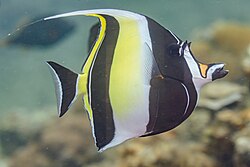
The Moorish Idol, a striking saltwater fish, often jumps out of tanks due to stress or environmental imbalances, posing an emergency situation as it can lead to injury or death. Understanding the root cause is crucial to ensure its well-being and longevity. Owners should immediately assess the water quality, tank setup, and recent changes.
Moorish Idol Jumping Out of Tank: Common Causes
Poor Water Quality
Most LikelyAmmonia, nitrite, and nitrate levels above the recommended range can cause stress.
Temperature Fluctuations
PossibleUnstable temperatures can trigger jumping behavior as the fish attempts to escape the discomfort.
Inadequate Tank Size
PossibleMoorish Idols need ample space to swim and may feel confined in small tanks, leading to stress-related jumping.
Poor Diet
PossibleInsufficient or imbalanced nutrition can stress the fish, causing it to jump in search of better food.
Predator Perception
Less CommonThe Moorish Idol may jump in response to perceived threats, especially in tanks with inadequate cover or aggression from tankmates.
How to Diagnose the Cause
Follow these steps in order. Stop when you identify a likely cause and move to treatment.
- Check water parameters for ammonia, nitrite, nitrate, pH, and temperature.
Use an aquarium test kit to measure these parameters and ensure they are within the optimal range for Moorish Idols.
Recommended: aquarium test kit - Inspect the tank for any signs of aggression or bullying by other fish.
Look for physical damage or stress signs in the Moorish Idol or tankmates.
- Assess the diet of the Moorish Idol and ensure it's appropriate for its dietary needs.
Provide a varied diet of small whole fish, crustaceans, and planktonic organisms.
- Evaluate the tank setup for potential stressors like excessive lighting or noise.
Reduce direct light and noise exposure if necessary.
- Measure the tank's size and consider the number of fish present.
Ensure the tank size accommodates the swimming space needs of Moorish Idols.
How to Treat Moorish Idol Jumping Out of Tank
- Adjust water parameters to optimal levels by partial water changes and filtration system maintenance.
Change 20-30% of the tank water weekly and maintain a consistent temperature.
- Provide visual barriers or tankmates that do not intimidate the Moorish Idol.
Add artificial plants or driftwood to create territories and reduce stress.
- Improve the diet with a more diverse range of prey items to meet nutritional needs.
Feed small live or frozen food like brine shrimp, mysis, and krill.
- Consider increasing the tank size if it is too small for the Moorish Idol to swim comfortably.
Ensure the tank is at least 120 gallons to provide sufficient space.
- Consult a veterinarian specializing in fish to address any underlying health issues.
If the jumping persists, it may indicate a health problem that requires veterinary attention.
How to Prevent Moorish Idol Jumping Out of Tank
When to See a Vet
🔬 AI Symptom Checker
Not sure what's wrong? Describe your fish's symptoms to the FishCare AI and get an instant diagnosis.
Check Symptoms →Frequently Asked Questions
This guide was reviewed for biological accuracy and practical aquarium care guidance. Always test water parameters before treating a sick fish — poor water quality is the most common root cause. Consult an aquatic veterinarian if symptoms persist after 48 hours of correct treatment.
Sources: Merck Veterinary Manual — Aquarium Fishes · UF/IFAS Extension — Fish Health Management